
Category: humanity
-
“Above me shone the stars, for the night was very clear.”

Wells, H.G.. The Time Machine: with Illustrations (Classic Collection Book 22) (p. 63). Kindle Edition. The great H.G. Wells, in The Time Machine, goes on to state: “I felt a certain sense of friendly comfort in their twinkling. All the old constellations had gone from the sky, however: that slow movement which is imperceptible in…
-
“It has been said that astronomy is a humbling and character-building experience.”
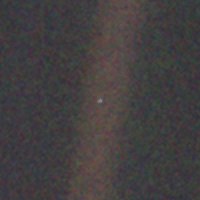
The full quote goes: “It has been said that astronomy is a humbling and character-building experience. There is perhaps no better demonstration of the folly of human conceits than this distant image of our tiny world. To me, it underscores our responsibility to deal more kindly with one another and to preserve and cherish the…
-
“The church says the earth is flat; but I have seen its shadow on the moon, and I have more confidence even in a shadow than in the church.”

– Misattributed to Ferdinand Magellan (4 February 1480 – 27 April 1521) Yes, another misattribution! Surely a misattribution of the moment: Magellan didn’t say it, but it’s still brilliant, “shadow on the Moon”. Credit: https://depositphotos.com/64932777/stock-photo-moon-phases-from-crescent-to.html So, who did say it? Also, is it true, what can the earth’s shadow on the moon tell you about…
-
“If the stars should appear one night in a thousand years, how would men believe and adore …”
― Ralph Waldo Emerson (1803-1882), Nature and Selected Essays In his poem, Emerson puts forth the view that they would be regarded with great wonder and remembered and discussed for years to come. They would be recognized as a sign of God. Not every one agrees with this view, some think the human response would…
-
“There is no easy way from the earth to the stars”
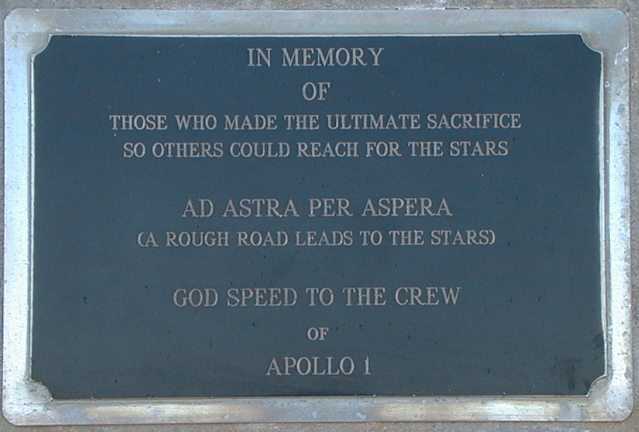
― Seneca the Younger (c. 4 BC – 65 AD) usually known as Seneca, was a Stoic philosopher of Ancient Rome, a statesman, dramatist, and, in one work, satirist, from the post-Augustan age of Latin literature. The quote is translated from Seneca’s tragedy Hercules furens (The Mad Hercules): “non est ad astra mollis e terris…
-
How many star signs are there?
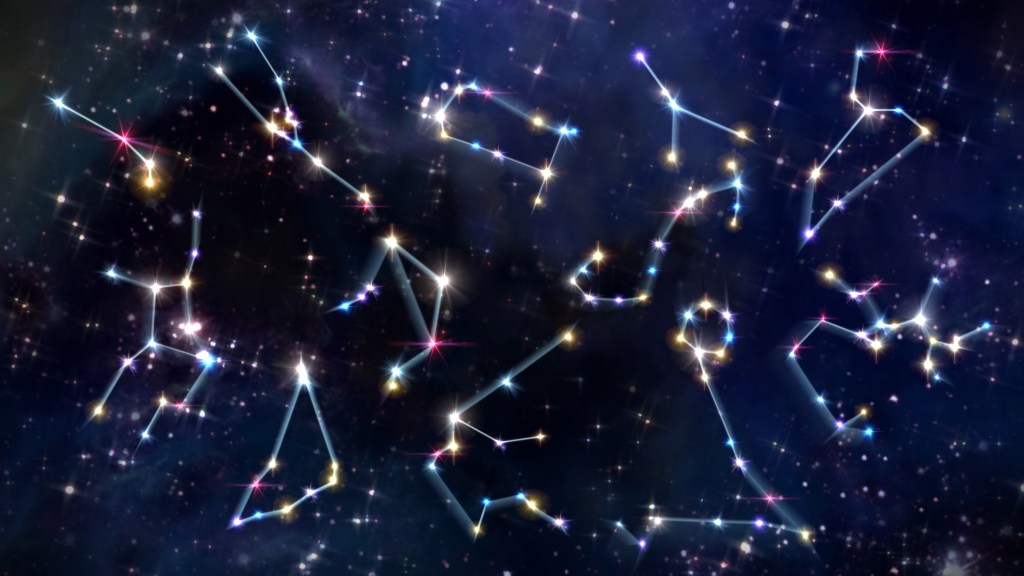
We all know there are 12 star signs or signs of the zodiac. The 12 astrological star signs are evenly spread across the calendar: The date of your birth is meant to have an impact on your personality, behaviours, love life, career, etc. – every newspaper carries a horoscope trying to predict your destiny! But…
-
“The stars are the land-marks of the universe.”
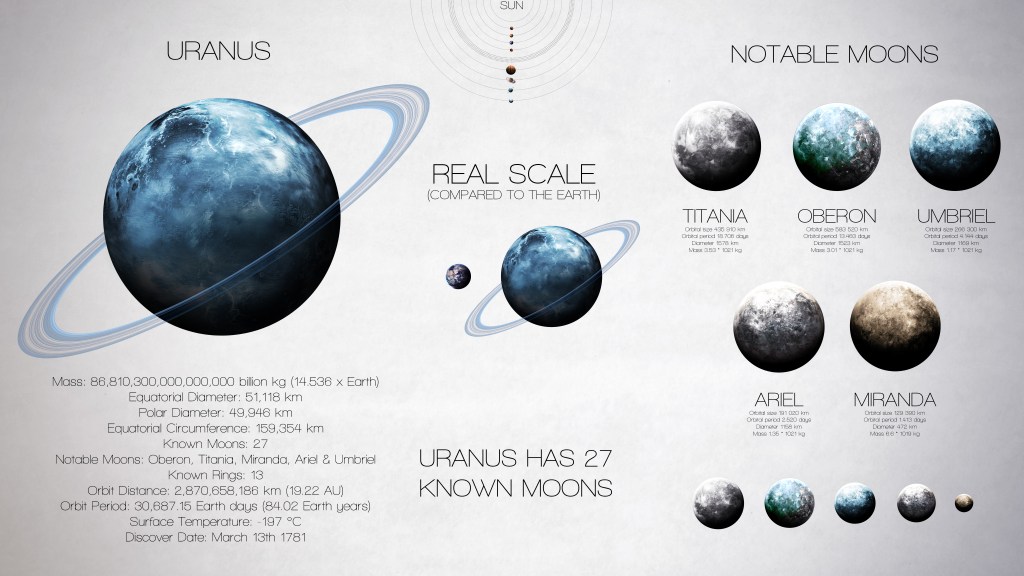
— Sir John Frederick William Herschel (7 March 1792 – 11 May 1871) According to Wikipedia, Herschel, was an English polymath active as a mathematician, astronomer, chemist, inventor, experimental photographer who originated the use of the Julian day system in astronomy. He named seven moons of Saturn and four moons of Uranus – the seventh…
-
“For my part I know nothing with any certainty, But the sight of the stars makes me dream.”
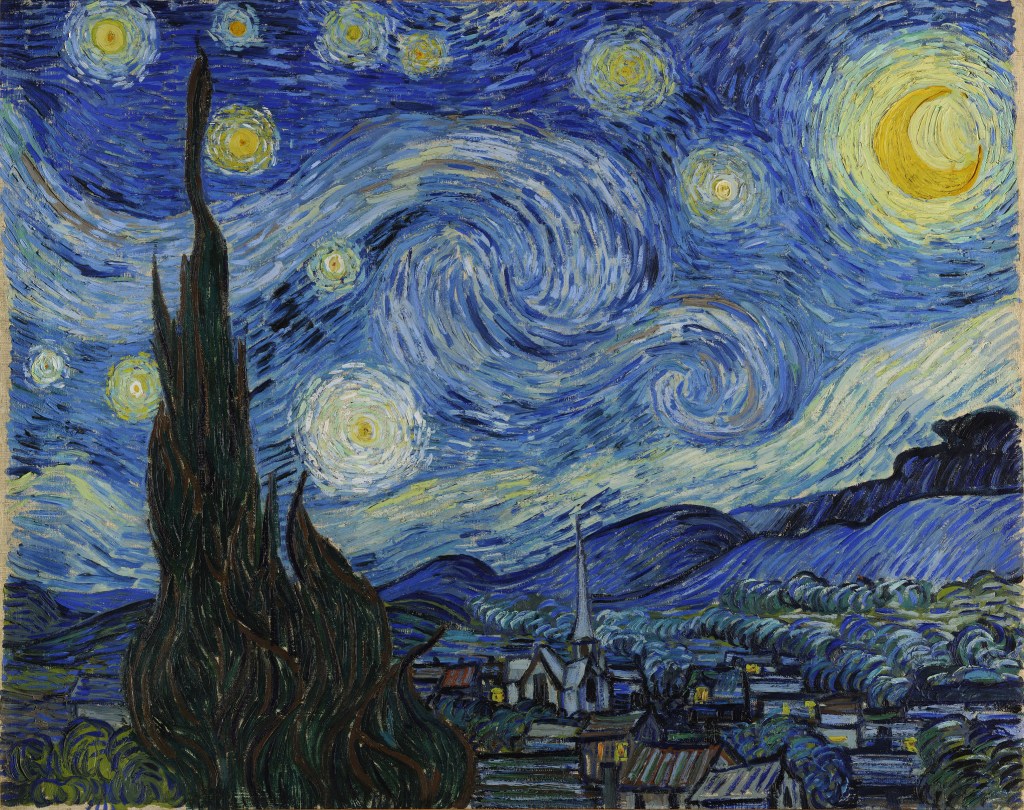
– Vincent Van Gogh (30 March 1853 – 29 July 1890) One of the greatest artists of all times. Painter of The Starry Night (amongst many others) and tormented and tortured soul. Credit: https://depositphotos.com/49703113/stock-photo-starry-night-sky.html His letters give a deep insight into his nature, his thoughts and his dreams. This quote is taken from a letter…
-
“Remember to look up at the stars and not down at your feet. Try to make sense of what you see and wonder about what makes the universe exist. Be curious. And however difficult life may seem, there is always something you can do and succeed at. It matters that you don’t just give up.”

– Professor Stephen Hawking (8 January 1942 – 14 March 2018) Dr. Stephen Hawking, a professor of mathematics at the University of Cambridge, delivers a speech entitled “Why we should go into space” during a lecture that is part of a series honoring NASA’s 50th Anniversary, Monday, April 21, 2008, at George Washington University’s Morton…
-
Have you ever wondered how we know the Earth is round?
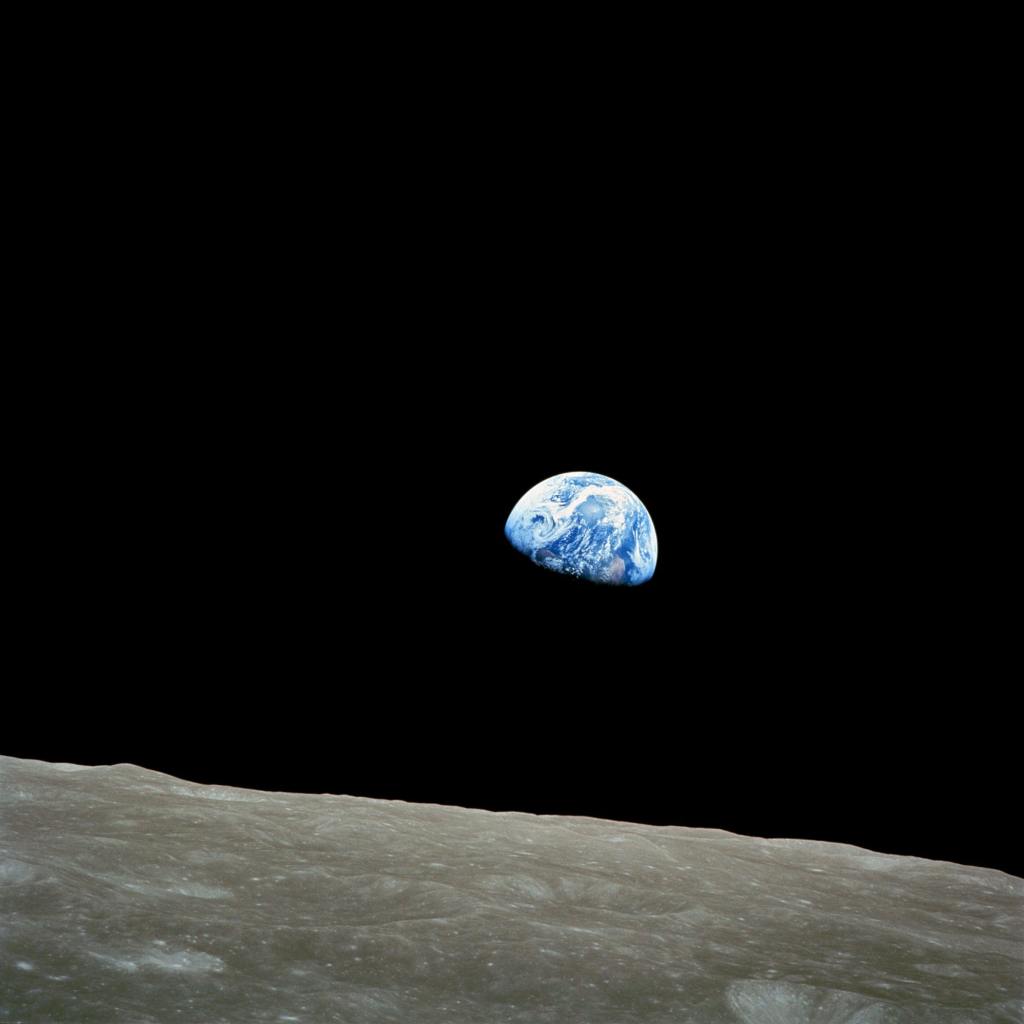
Because we have photos taken from space, duh! I hear you say. True, but how did we know before space flight? Of course, the Earth isn’t round, it’s more technically accurate to say that it’s an oblate spheroid, though from space it just looks like a big blue ball. Credit Look out your window and…
 Stargazing Guy