
Category: Cosmos
-
“When we look out into space, we are looking into our own origins, because we are truly children of the stars.”
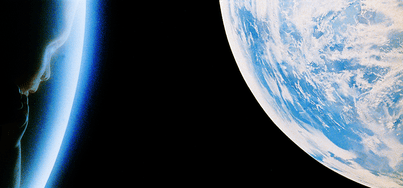
– Professor Brian Cox, Wonders of the Universe, BBC Why are we here? Where do we come from? These are the most enduring of questions. And it’s an essential part of human nature to want to find the answers. We can trace our ancestry back hundreds of thousands of years to the dawn of humankind.…
-
“Because they are so long-lived, atoms really get around. Every atom you possess has almost certainly passed through several stars and been part of millions of organisms on its way to becoming you.”
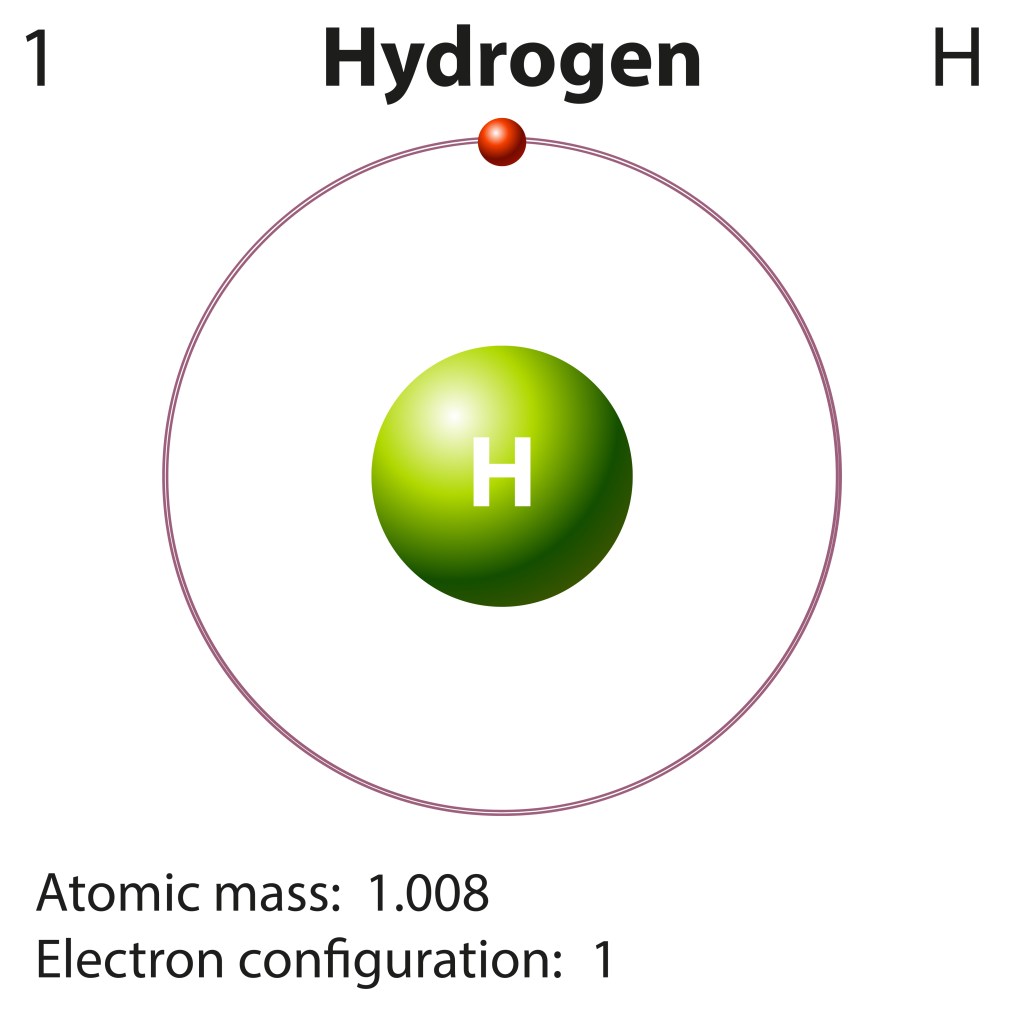
― Bill Bryson, A Really Short History of Nearly Everything The rest of the paragraph from his book is really awesome and inspiring, it goes: “We are each so atomically numerous and so vigorously recycled at death that a significant number of our atoms—up to a billion for each of us, it has been suggested—probably…
-
“Vita ex pulvis. We are made from the dust of dead stars.”
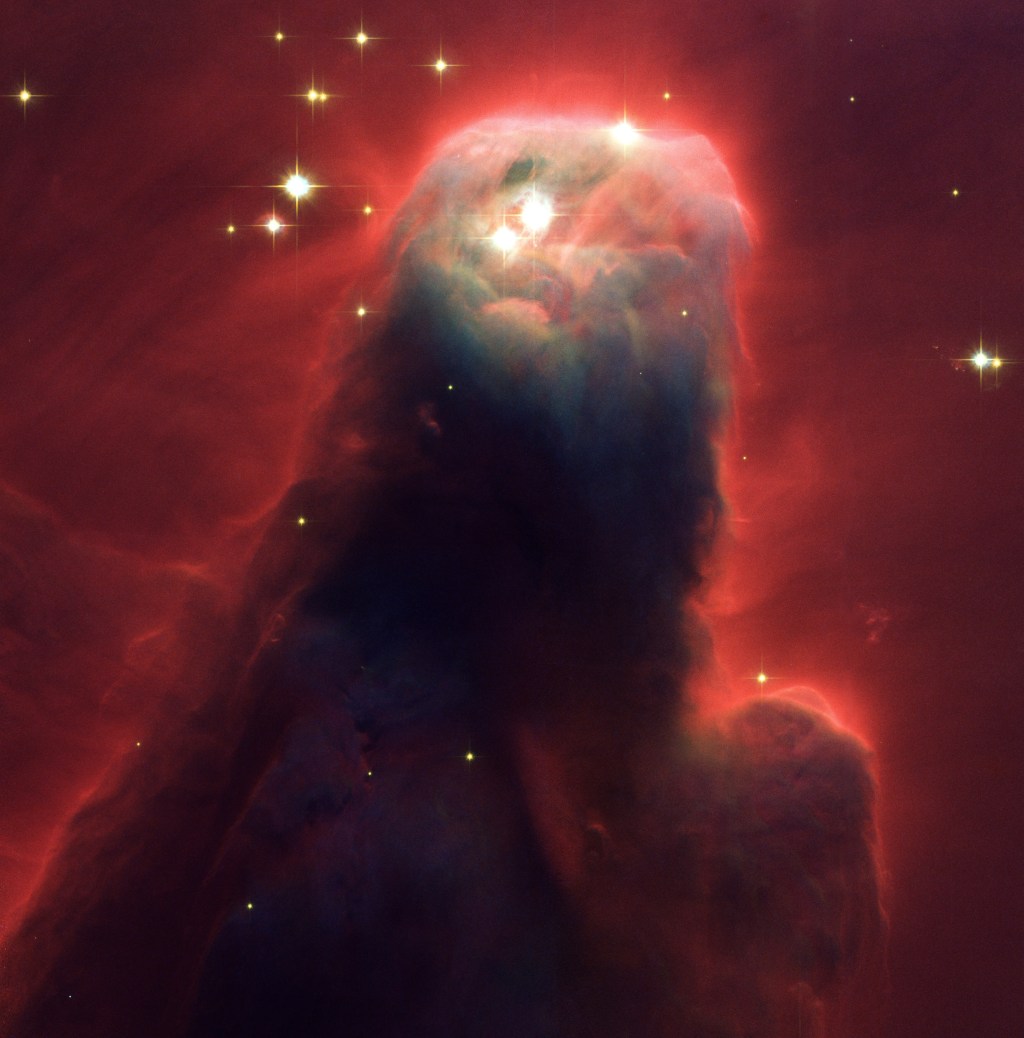
— Christopher Paolini, To Sleep in a Sea of Stars Go to the bottom of this post to read about this incredible image of the Cone Nebula Credit The full quote is: “Have you ever considered the fact that everything we are originates from the remnants of stars that once exploded?” Jorrus said, “Vita ex…
-
“Above me shone the stars, for the night was very clear.”

Wells, H.G.. The Time Machine: with Illustrations (Classic Collection Book 22) (p. 63). Kindle Edition. The great H.G. Wells, in The Time Machine, goes on to state: “I felt a certain sense of friendly comfort in their twinkling. All the old constellations had gone from the sky, however: that slow movement which is imperceptible in…
-
“It has been said that astronomy is a humbling and character-building experience.”
The full quote goes: “It has been said that astronomy is a humbling and character-building experience. There is perhaps no better demonstration of the folly of human conceits than this distant image of our tiny world. To me, it underscores our responsibility to deal more kindly with one another and to preserve and cherish the…
-
“If the stars should appear one night in a thousand years, how would men believe and adore …”
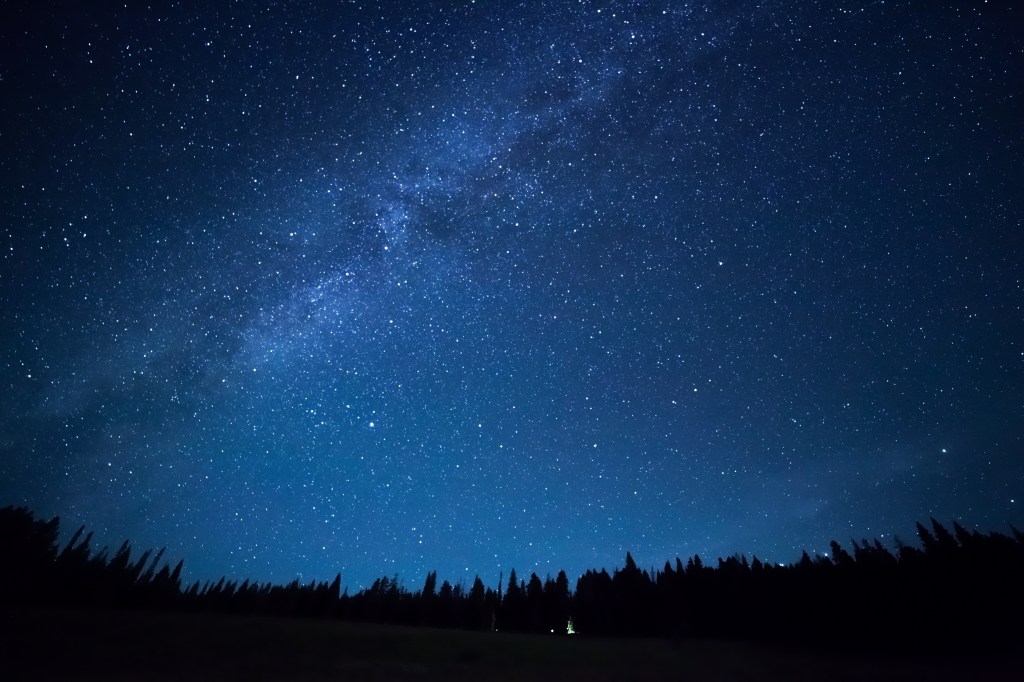
― Ralph Waldo Emerson (1803-1882), Nature and Selected Essays In his poem, Emerson puts forth the view that they would be regarded with great wonder and remembered and discussed for years to come. They would be recognized as a sign of God. Not every one agrees with this view, some think the human response would…
-
“If I have seen further [than others], it is by standing on the shoulders of giants.”
![“If I have seen further [than others], it is by standing on the shoulders of giants.”](https://stargazingguy.co.uk/wp-content/uploads/2023/02/depositphotos_257481036_xl.jpg?w=1024)
– Sir Isaac Newton PRS (25 December 1642 – 1726/27)* Newton was relatively modest about his achievements, writing in a letter to Robert Hooke in February 1676, “If I have seen further it is by standing on the shoulders of giants.” In a later memoir, Newton wrote, “I do not know what I may appear…
-
“There is no easy way from the earth to the stars”
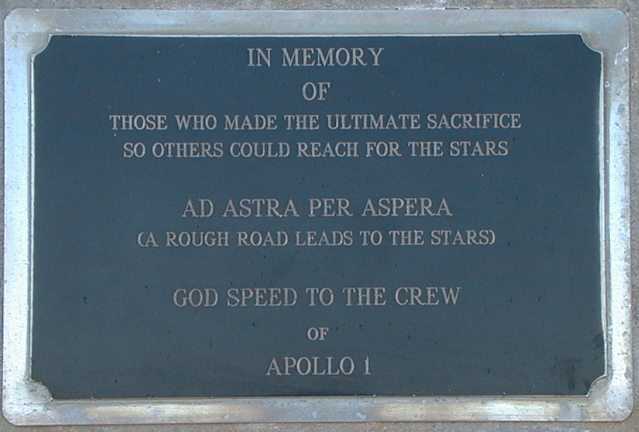
― Seneca the Younger (c. 4 BC – 65 AD) usually known as Seneca, was a Stoic philosopher of Ancient Rome, a statesman, dramatist, and, in one work, satirist, from the post-Augustan age of Latin literature. The quote is translated from Seneca’s tragedy Hercules furens (The Mad Hercules): “non est ad astra mollis e terris…
-
“The cosmos is within us. We are made of star stuff. We are a way for the universe to know itself.”
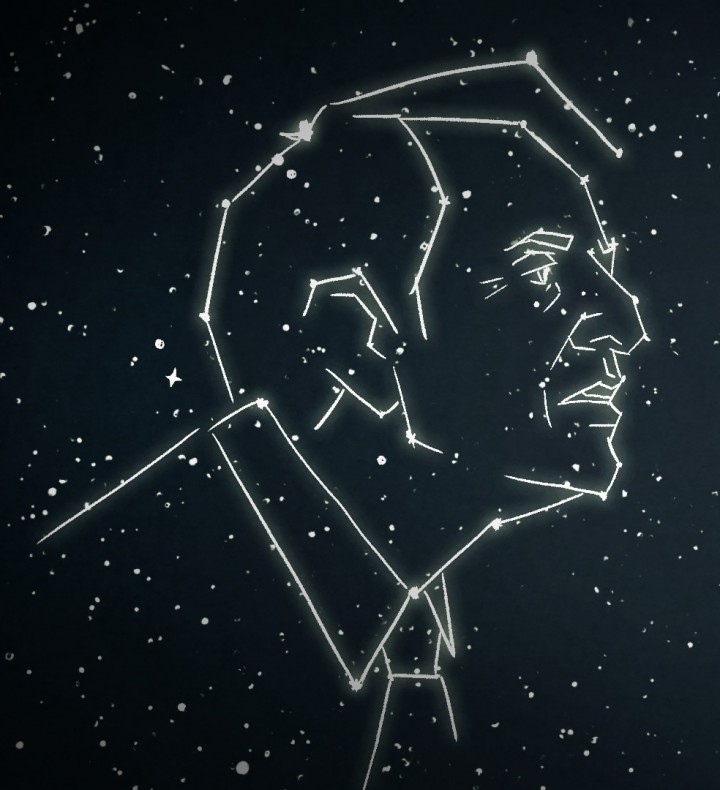
― Carl Sagan. Spoken during the first episode of the 1980 landmark science series “Cosmos: A Personal Voyage” titled “The Shores of the Cosmic Ocean” An earlier version of the “we are made of star-stuff” quote, was made in the 1973 Carl Sagan publication “The Cosmic Connection: An Extra-terrestrial Perspective”: “All of the rocky and…
-
“The stars are the land-marks of the universe.”
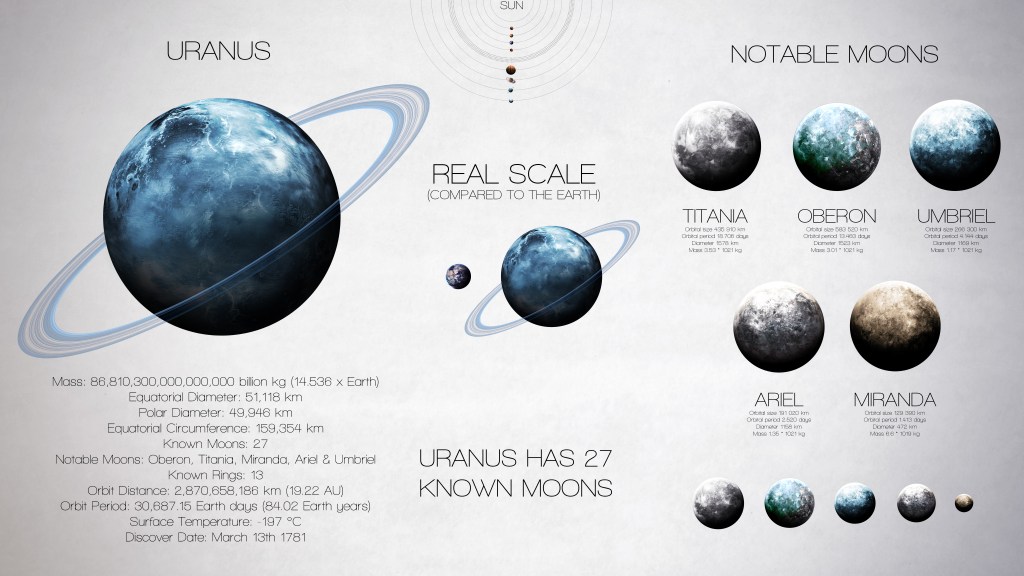
— Sir John Frederick William Herschel (7 March 1792 – 11 May 1871) According to Wikipedia, Herschel, was an English polymath active as a mathematician, astronomer, chemist, inventor, experimental photographer who originated the use of the Julian day system in astronomy. He named seven moons of Saturn and four moons of Uranus – the seventh…
 Stargazing Guy