-
“Never give up, never surrender”
Jason Nesmith playing Cmdr. Peter Quincy Taggart (Tim Allen), Galaxy Quest Credit: https://media.giphy.com/media/2rIDTzizHRQv6/giphy.gif The best Star Trek movie never made! The quote is self-explanatory. Don’t give up when faced with roadblocks or challenges or if you hit problems. Also have the attitude to not give up and push through hardship. Because if we surrender at…
-
Are comets and shooting stars the same?
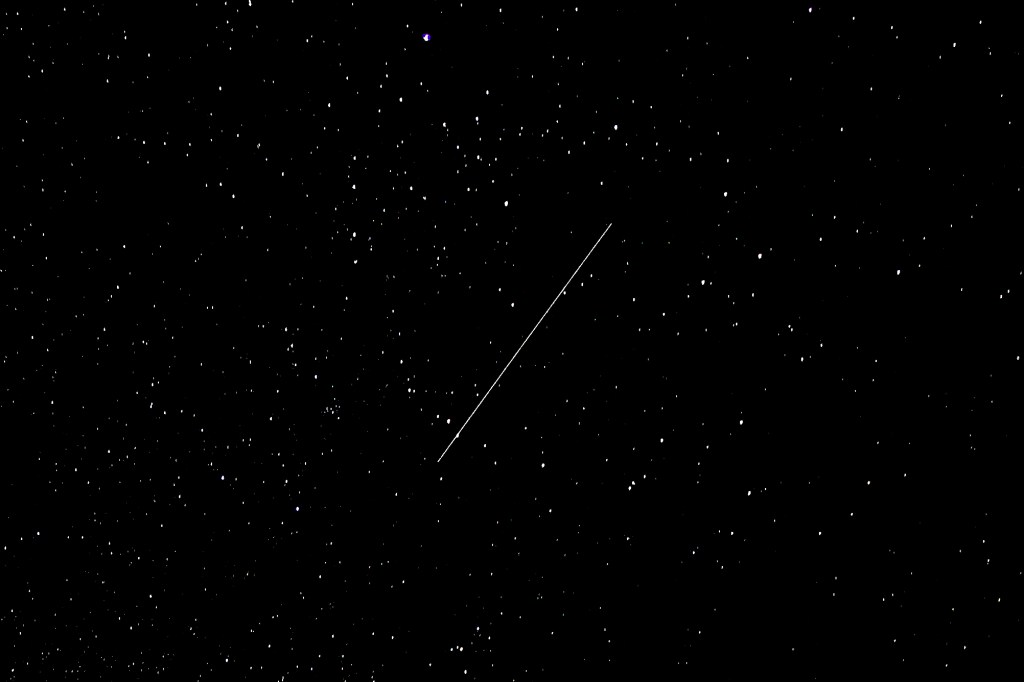
Caption: Perseid Meteor from UK 12-13 Aug 2021 (credit in ALT) I was asked this question during a recent talk on stargazing. Easy question to answer, was my first thought. I started with confirming that they were indeed different phenomena and went on to discuss where comets came from, their usual long orbits (unless they…
-
“Space: the final frontier. These are the voyages of the starship Enterprise. Its five-year mission: to explore strange new worlds. To seek out new life and new civilizations. To boldly go where no man has gone before!”
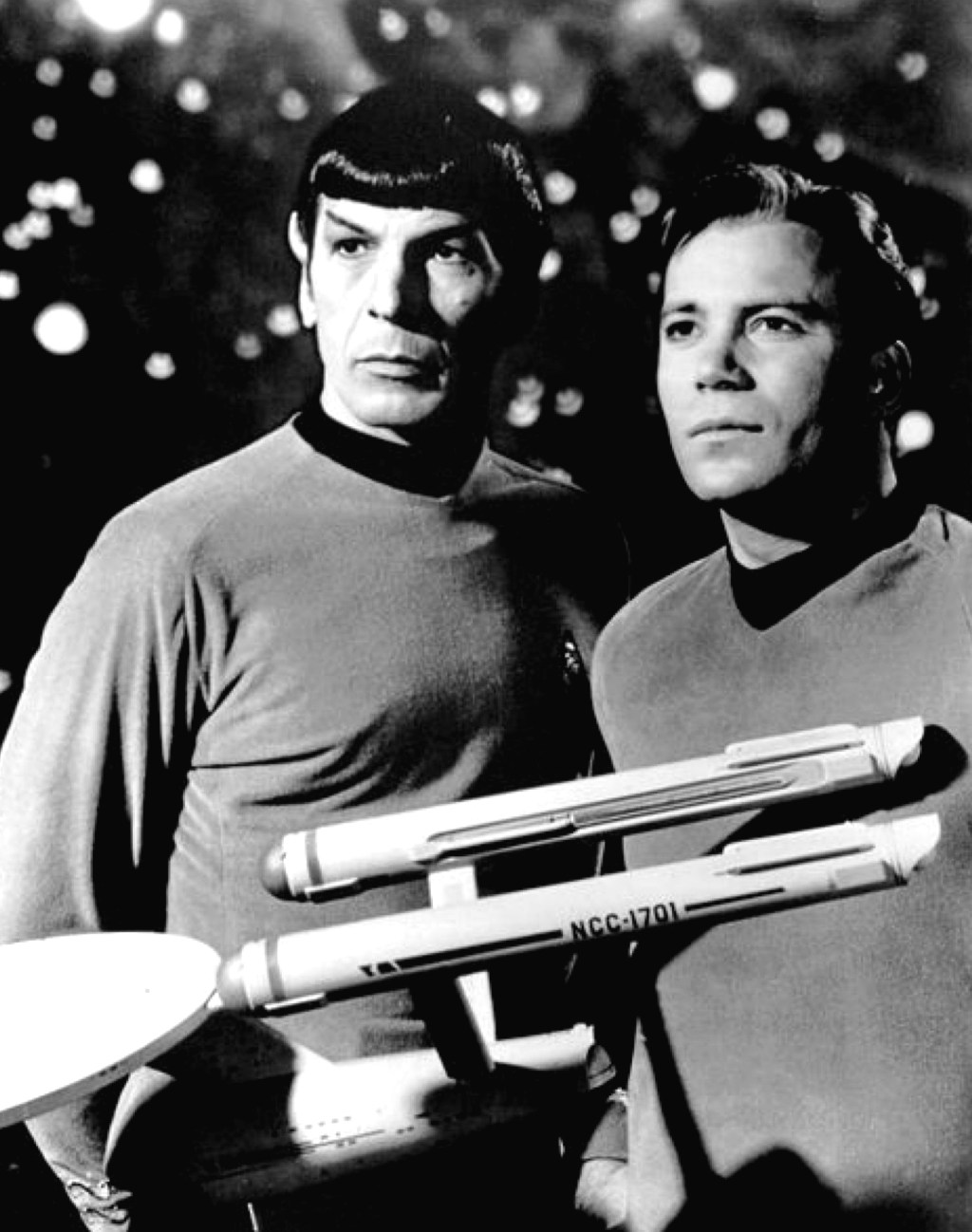
– Gene Rodenberry (19 August 1921 – 24 October 1991) The opening lines of the most famous science fiction show ever made. Star Trek showcased many technologies that are now common place. It started at least one astronaut on her career. Lets all praise Nichelle Nicols. Credit: https://www.reddit.com/r/interestingasfuck/comments/3008fl/mae_jemison_the_first_black_astronaut_and/ The show presented a future that normalised…
-
“Man must rise above the Earth—to the top of the atmosphere and beyond—for only thus will he fully understand the world in which he lives.”

– Socrates (469-399 BC) This quote appears in the Plato’s Dialogue, Phaedo, around 109e. The Greek text is: τὸ δὲ εἶναι ταὐτόν, ὑπ᾽ ἀσθενείας καὶ βραδυτῆτος οὐχ οἵους τε εἶναι ἡμᾶς διεξελθεῖν ἐπ᾽ ἔσχατον τὸν ἀέρα: ἐπεί, εἴ τις αὐτοῦ ἐπ᾽ ἄκρα ἔλθοι ἢ πτηνὸς γενόμενος ἀνάπτοιτο, κατιδεῖν ἂν ἀνακύψαντα, ὥσπερ ἐνθάδε οἱ ἐκ τῆς…
-
“There are no borders or boundaries on our planet …”
– Frank White, Author, Space Philosopher, Consultant William Shatner cried upon returning from space. The “overview effect” explains why. The “overview effect”, experienced by astronauts when they view the Earth from outer space, irrevocably changes your perspective as a human. Coined by Frank White in 1987, the overview effect describes what the spaceflight experience, for…
-
“… we watched the stars …”
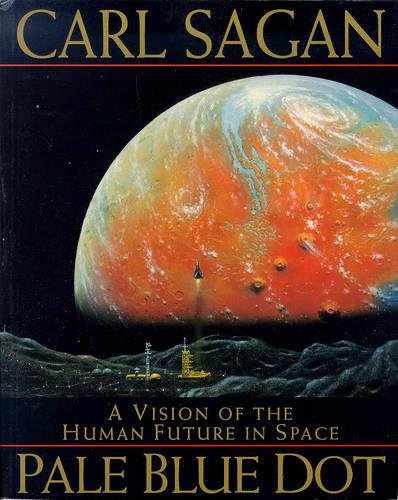
― Carl Sagan, Pale Blue Dot: A Vision of the Human Future in Space “Before we invented civilization our ancestors lived mainly in the open out under the sky. Before we devised artificial lights and atmospheric pollution and modern forms of nocturnal entertainment, we watched the stars. There were practical calendar reasons of course but…
-
“The amazing thing is that every atom in your body came from a star that exploded. And, the atoms in your left hand probably came from a different star than your right hand.”
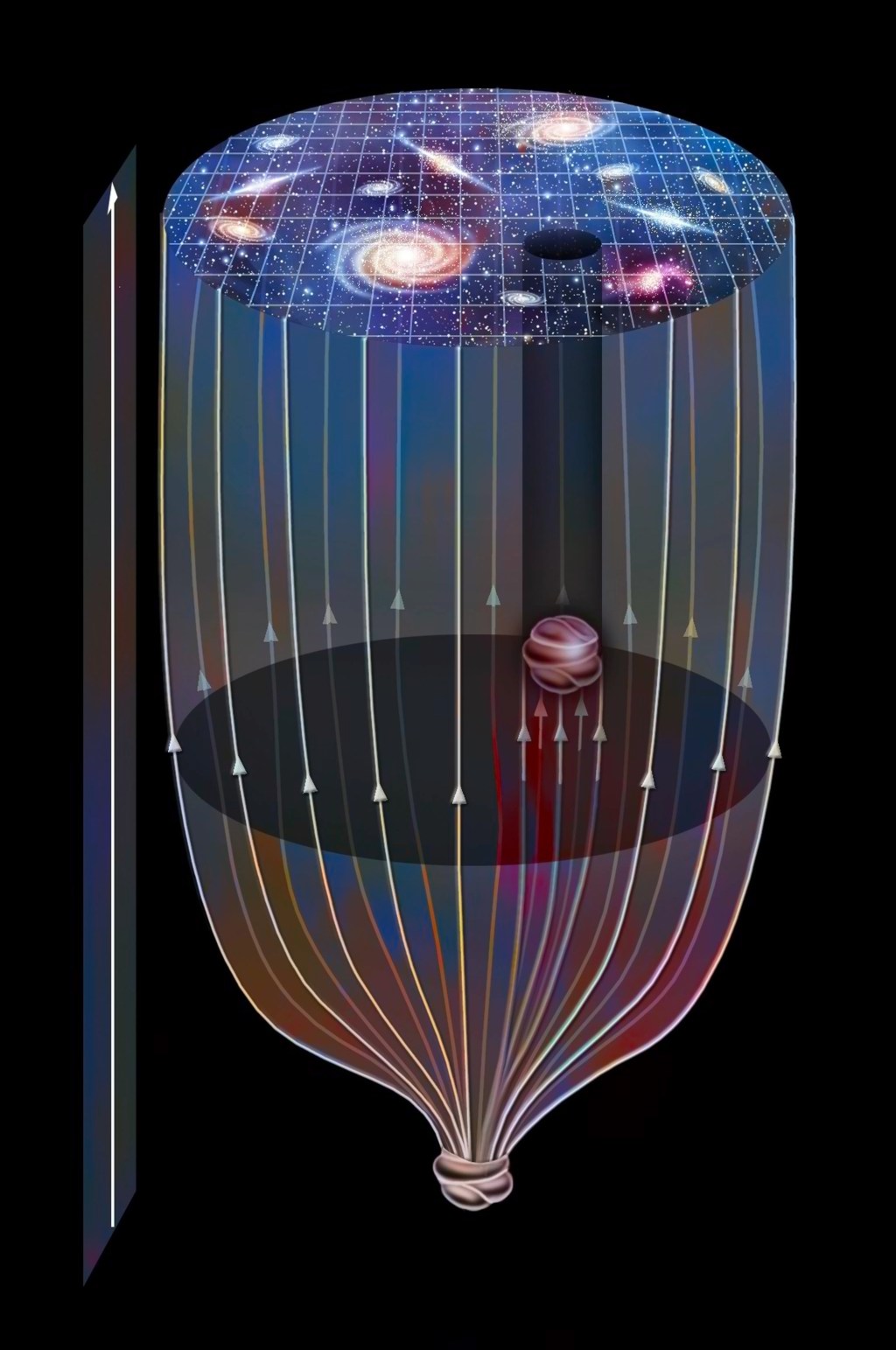
– Lawrence Krauss: “A Universe from Nothing” “… It really is the most poetic thing I know about physics: You are all stardust. You couldn’t be here if stars hadn’t exploded, because the elements – the carbon, nitrogen, oxygen, iron, all the things that matter for evolution – weren’t created at the beginning of time.”…
-
“I don’t think the human race will survive the next thousand years unless we spread into space. There are too many accidents that can befall life on a single planet. But I’m an optimist. We will reach out to the stars.”
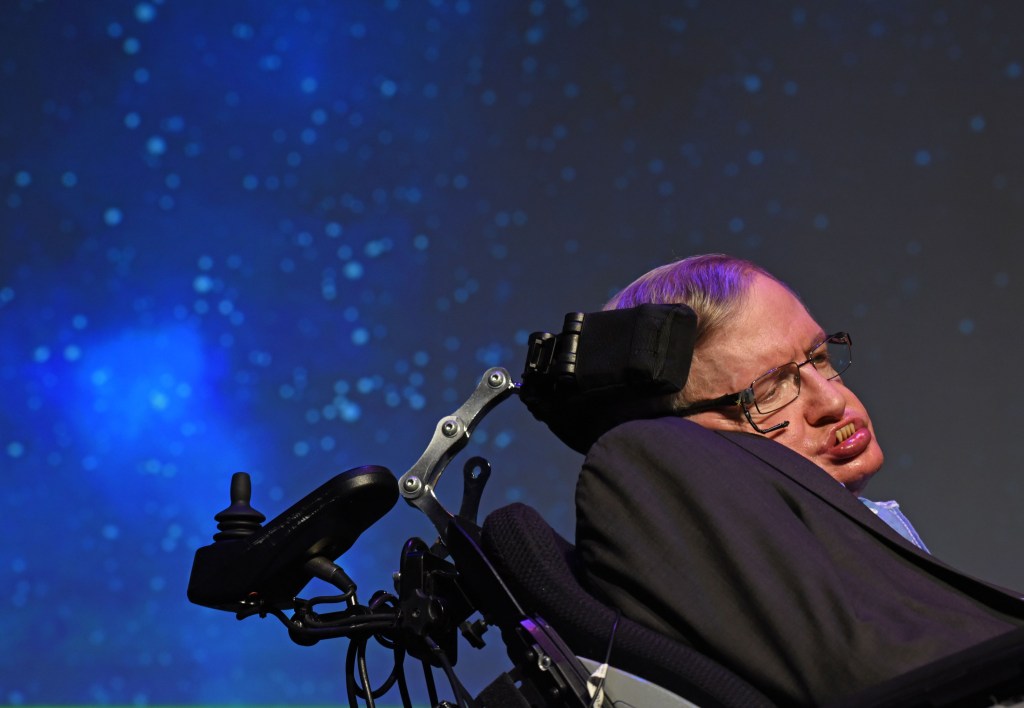
– Stephen Hawking (8 January 1942 – 14 March 2018) An extract from an interview by Roger Highfield in Daily Telegraph (16 October 2001) where Hawking says, “Colonies in space may be our only hope.” There are certainly a lot of accidents that could befall humanity – and not just the ones we think we…
-
NASA’s James Webb Space Telescope (JWST) images

For a change of pace, here are several of, the now famous images, taken by the JWST, since its launch on 25 December 2021 at 12:20 pm GMT. JWST took off from the Guiana Space Centre, also called Europe’s Spaceport, a European spaceport to the northwest of Kourou in French Guiana, a region of France in…
-
If stargazing is for everyone, how do I start?
… at the beginning. Stargazing is a gateway to astronomy and astronomy is one of the few sciences that remains open to the amateur or citizen scientist – where real science can be conducted. For example, BOSS (more accurately, Backyard Observatory Supernova Search) are an amateur collaboration of 6 friends from Australia and New Zealand…

Stargazing Guy
Connecting people to the Stars
-
“Distribution Is Survival. Expansion Is Progress.”
– Alex Ioskevich (LinkedIn) Alex Ioskevich, of (amongst other things) Quantum Propulsion Technologies Ltd, goes on to state that “every scalable system distributes its load. Biological life spreads across ecosystems. Digital systems distribute across networks. Resilient economies diversify across geography.Civilization is no different. ___________________________________________________________ His insight to this simple and insightful observation is full of…
-
“Science Fiction Is a Self-Fulfilling Prophecy.”
– Peter H. Diamandis, Metatrends substack, 17 July 2026 Why are people so pessimistic about the future – and view the past as some form of pastoral utopia? On these pages we promote hope – not cope or mope. Hope lives here. An interesting insight is from Peter H. Diamandis in his substack, where he…
-
“I believe in evidence.”
– Isaac Asimov, The Roving Mind (1997), (2 January 2 1920 – 6 April 1992) Scientist and science fiction author Asimov’s output of novels and books popularising and explaining science was prodigious. As a rationalist he often railed against superstitious and pseudoscientific beliefs that tried to pass themselves off as genuine science and had this…
-
What is a light-year?
A light-year is a measure of distance – not time (or anything to do with Disney’s Toy Story). It’s used to indicate the distance to stars and galaxies. It’s the distance light travels in one year in a vacuum, which is about: – 4.2465 light-years OR 5.88 trillion miles OR 9.46 trillion kilometres Light travels…
-
How far is that star?
Basically, far! The Sun is the closest (and brightest) star. It is about: – 93 million miles – 150 million kilometres The next closest star (Proxima Centauri) is invisible to the unaided human eye and you need to be in the Southern Hemisphere to see it with a telescope (it’s too dim to see with…
-
Death rates from disasters have fallen over the last century.
Good news. Recent data indicates that natural disasters are NOT going to kill us all. The global death rate from all natural disasters (drought, floods, storms, earthquakes, wildfires, extreme temperatures, etc.) has fallen by more than 90% over the last century. The total number of deaths has fallen substantially, despite there being four times as…

