
Category: space
-
NASA’s James Webb Space Telescope (JWST) images

For a change of pace, here are several of, the now famous images, taken by the JWST, since its launch on 25 December 2021 at 12:20 pm GMT. JWST took off from the Guiana Space Centre, also called Europe’s Spaceport, a European spaceport to the northwest of Kourou in French Guiana, a region of France in…
-
“The most remarkable discovery in all of astronomy is that the stars are made of atoms of the same kind as those on the earth.”
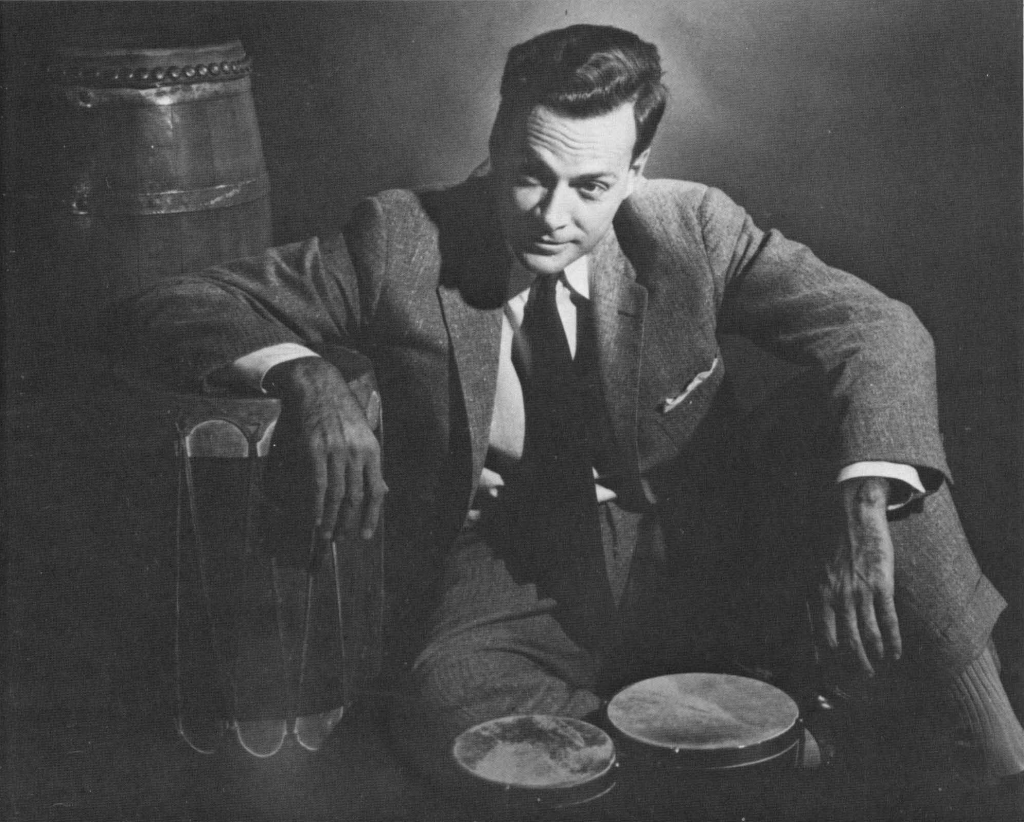
– Richard P. Feynman (11 May 1918 – 15 Feb 1988) What is there to say about Richard Feynman, American theoretical physicist who was probably the most brilliant, influential, and iconoclastic figure in his field. His lifelong interest was in subatomic physics. In 1965, he shared the Nobel Prize in Physics for his work in…
-
“Shoot for the stars but if you happen to miss, shoot for the moon instead.”

– Neil A Armstrong (5 August 1930 – 25 August 2012) The first human to stand on the Moon! What a guy! With Buzz Aldrin, and Michael Collins in lunar orbit, the first two human beings to stand somewhere that isn’t the Earth. Did he say the above quote? Whether he did or didn’t what does…
-
“There is no easy way from the earth to the stars”
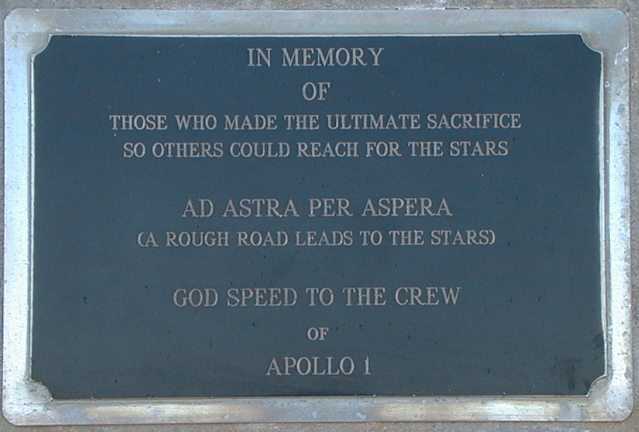
― Seneca the Younger (c. 4 BC – 65 AD) usually known as Seneca, was a Stoic philosopher of Ancient Rome, a statesman, dramatist, and, in one work, satirist, from the post-Augustan age of Latin literature. The quote is translated from Seneca’s tragedy Hercules furens (The Mad Hercules): “non est ad astra mollis e terris…
-
“Remember to look up at the stars and not down at your feet. Try to make sense of what you see and wonder about what makes the universe exist. Be curious. And however difficult life may seem, there is always something you can do and succeed at. It matters that you don’t just give up.”

– Professor Stephen Hawking (8 January 1942 – 14 March 2018) Dr. Stephen Hawking, a professor of mathematics at the University of Cambridge, delivers a speech entitled “Why we should go into space” during a lecture that is part of a series honoring NASA’s 50th Anniversary, Monday, April 21, 2008, at George Washington University’s Morton…
-
“I’ve loved the stars too fondly to be fearful of the night.”

Galileo Galilei (15 February 1564 – 8 January 1642) (Sarah Williams, Poet – December 1837 – 25 April 1868) This quote is often attributed to Galileo, incorrectly. The full poem, with that line, is quoted and fully credited below. Galileo was an Italian astronomer, physicist and engineer who studied speed and velocity, gravity and free…
-
Have you ever wondered how we know the Earth is round?
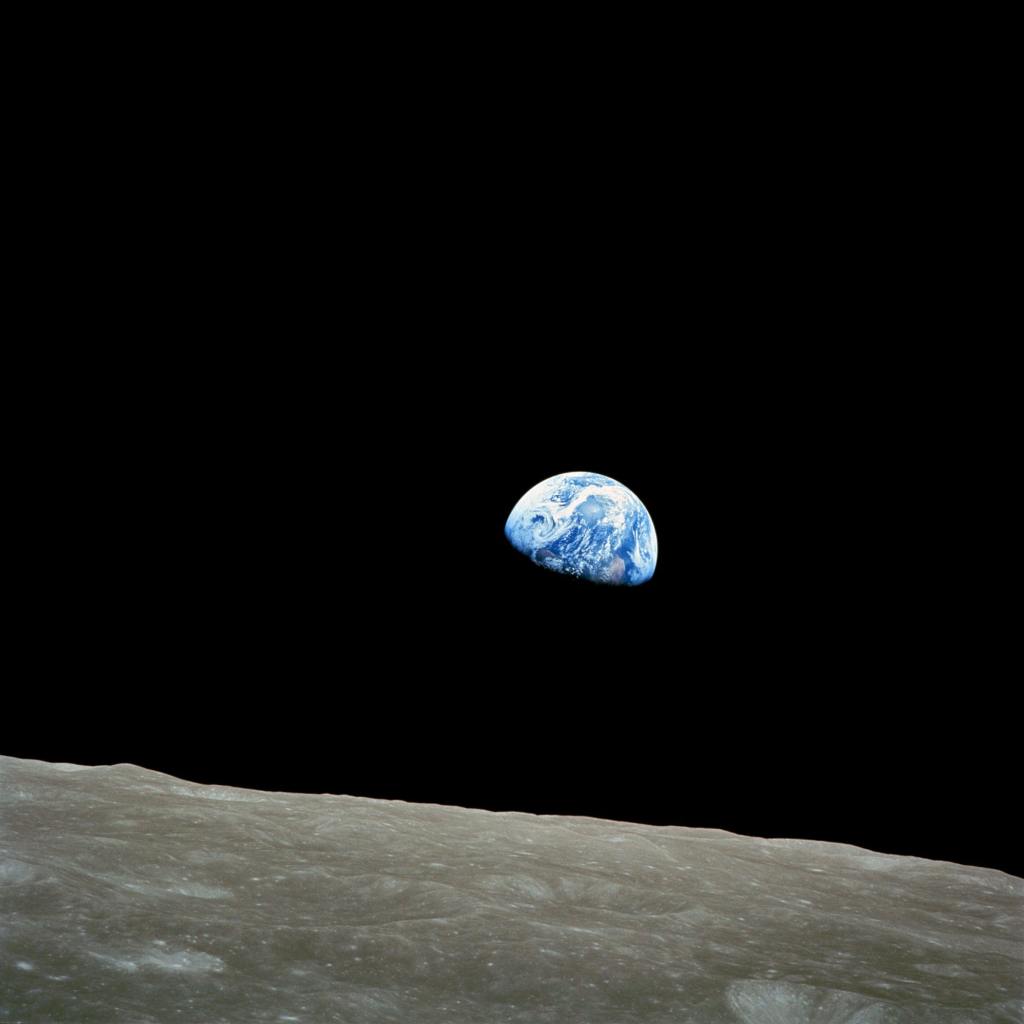
Because we have photos taken from space, duh! I hear you say. True, but how did we know before space flight? Of course, the Earth isn’t round, it’s more technically accurate to say that it’s an oblate spheroid, though from space it just looks like a big blue ball. Credit Look out your window and…
-
“We are stardust, billion-year-old carbon”
– Joni Mitchell, Canadian-American musician, producer, and painter At the dawn of the universe, there was a whole lot of hydrogen and helium, a little bit of lithium, and not much else. This is consistent with the standard or “big bang” model. Between 12 and 13 billion years ago, massive amounts of hydrogen and helium…
-
“Humanity has the stars in its future, and that future is too important to be lost under the burden of juvenile folly and ignorant superstition.”
— Isaac Asimov (2 Jan 1920 – 6 Apr 1992) American author (of Russian parentage) and professor of biochemistry at Boston University who was a prolific author and editor of science fiction and non-fiction. He was a regular commentator on science and society and atheism and was known for creating the three laws of robotics.…
-
Space elevators – for Mars
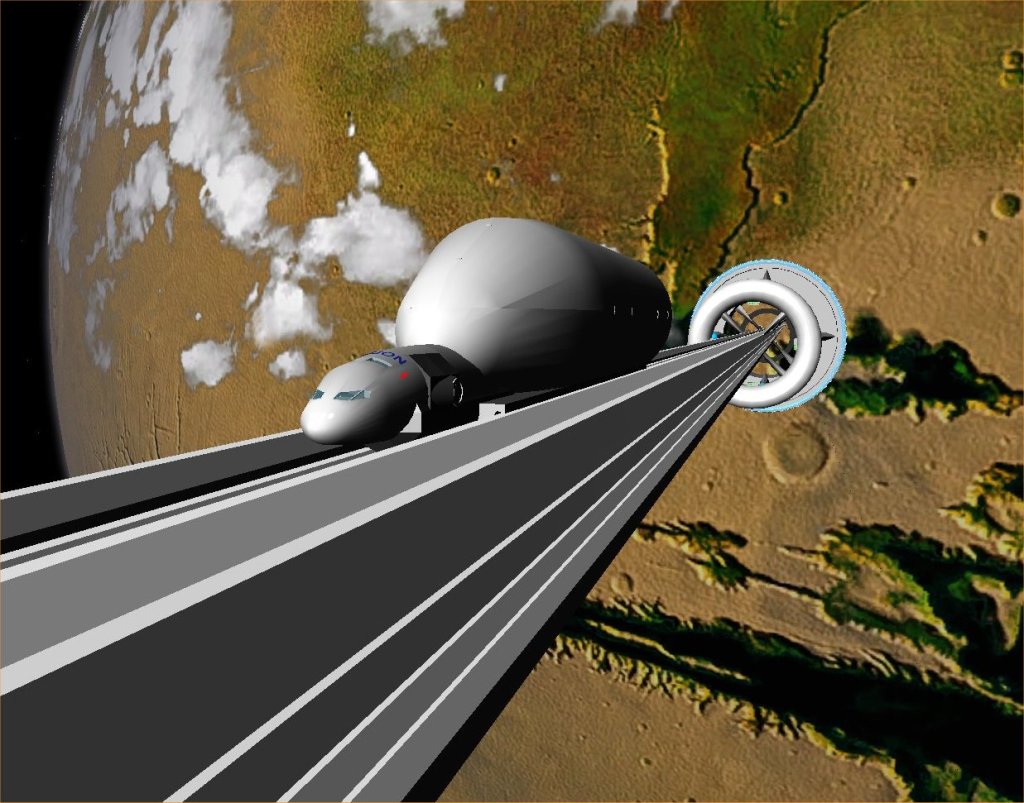
https://www.flickr.com/photos/flyingsinger/471698669 Space elevators aren’t just for Earth. The possibility of a space elevator on Mars has been around for a few years, with various academics and science fiction authors covering the concept. There are different problems with the Martian space elevator – due to its satellites, Phobos and Deimos, as their orbits would intersect with…
 Stargazing Guy