
Category: Cosmos
-
“Man must rise above the Earth—to the top of the atmosphere and beyond—for only thus will he fully understand the world in which he lives.”

– Socrates (469-399 BC) This quote appears in the Plato’s Dialogue, Phaedo, around 109e. The Greek text is: τὸ δὲ εἶναι ταὐτόν, ὑπ᾽ ἀσθενείας καὶ βραδυτῆτος οὐχ οἵους τε εἶναι ἡμᾶς διεξελθεῖν ἐπ᾽ ἔσχατον τὸν ἀέρα: ἐπεί, εἴ τις αὐτοῦ ἐπ᾽ ἄκρα ἔλθοι ἢ πτηνὸς γενόμενος ἀνάπτοιτο, κατιδεῖν ἂν ἀνακύψαντα, ὥσπερ ἐνθάδε οἱ ἐκ τῆς…
-
“… we watched the stars …”
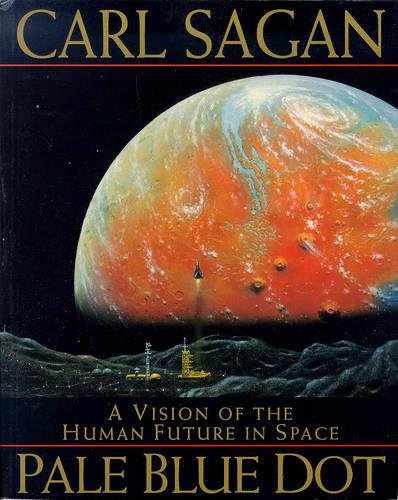
― Carl Sagan, Pale Blue Dot: A Vision of the Human Future in Space “Before we invented civilization our ancestors lived mainly in the open out under the sky. Before we devised artificial lights and atmospheric pollution and modern forms of nocturnal entertainment, we watched the stars. There were practical calendar reasons of course but…
-
“The amazing thing is that every atom in your body came from a star that exploded. And, the atoms in your left hand probably came from a different star than your right hand.”
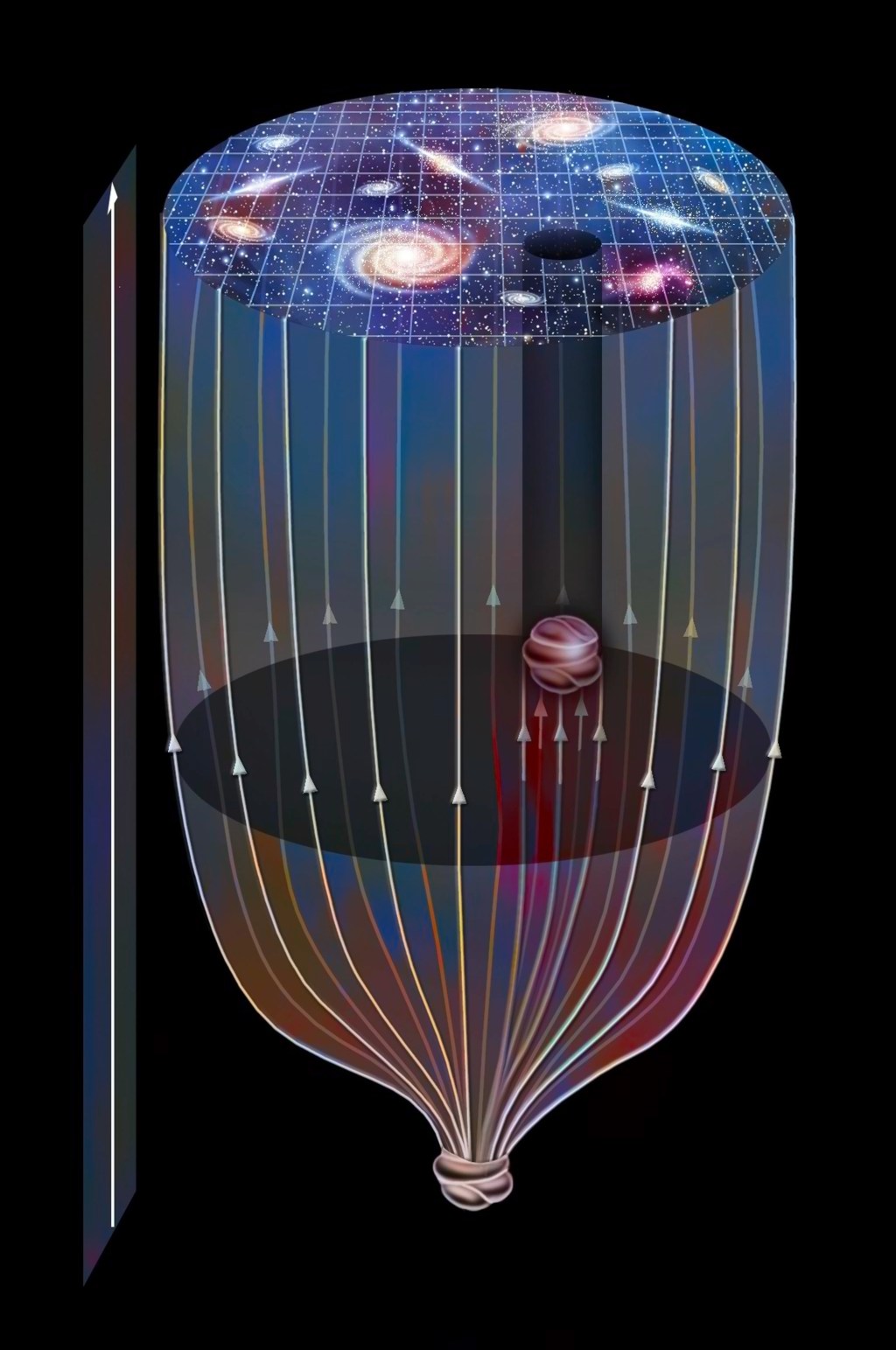
– Lawrence Krauss: “A Universe from Nothing” “… It really is the most poetic thing I know about physics: You are all stardust. You couldn’t be here if stars hadn’t exploded, because the elements – the carbon, nitrogen, oxygen, iron, all the things that matter for evolution – weren’t created at the beginning of time.”…
-
“I don’t think the human race will survive the next thousand years unless we spread into space. There are too many accidents that can befall life on a single planet. But I’m an optimist. We will reach out to the stars.”
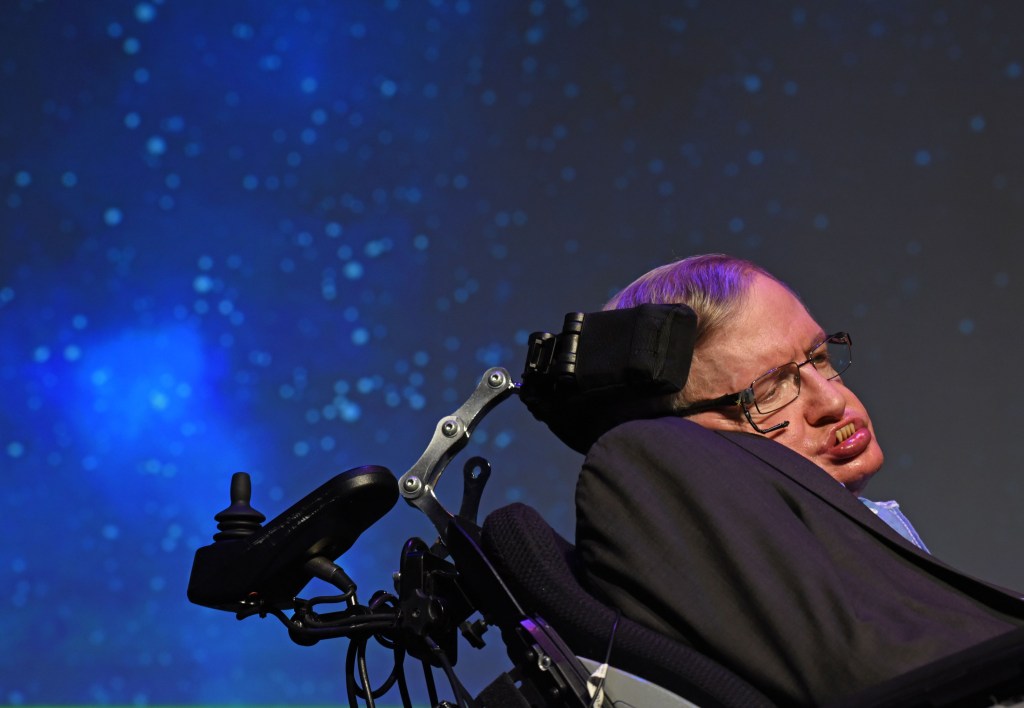
– Stephen Hawking (8 January 1942 – 14 March 2018) An extract from an interview by Roger Highfield in Daily Telegraph (16 October 2001) where Hawking says, “Colonies in space may be our only hope.” There are certainly a lot of accidents that could befall humanity – and not just the ones we think we…
-
NASA’s James Webb Space Telescope (JWST) images

For a change of pace, here are several of, the now famous images, taken by the JWST, since its launch on 25 December 2021 at 12:20 pm GMT. JWST took off from the Guiana Space Centre, also called Europe’s Spaceport, a European spaceport to the northwest of Kourou in French Guiana, a region of France in…
-
“The most remarkable discovery in all of astronomy is that the stars are made of atoms of the same kind as those on the earth.”
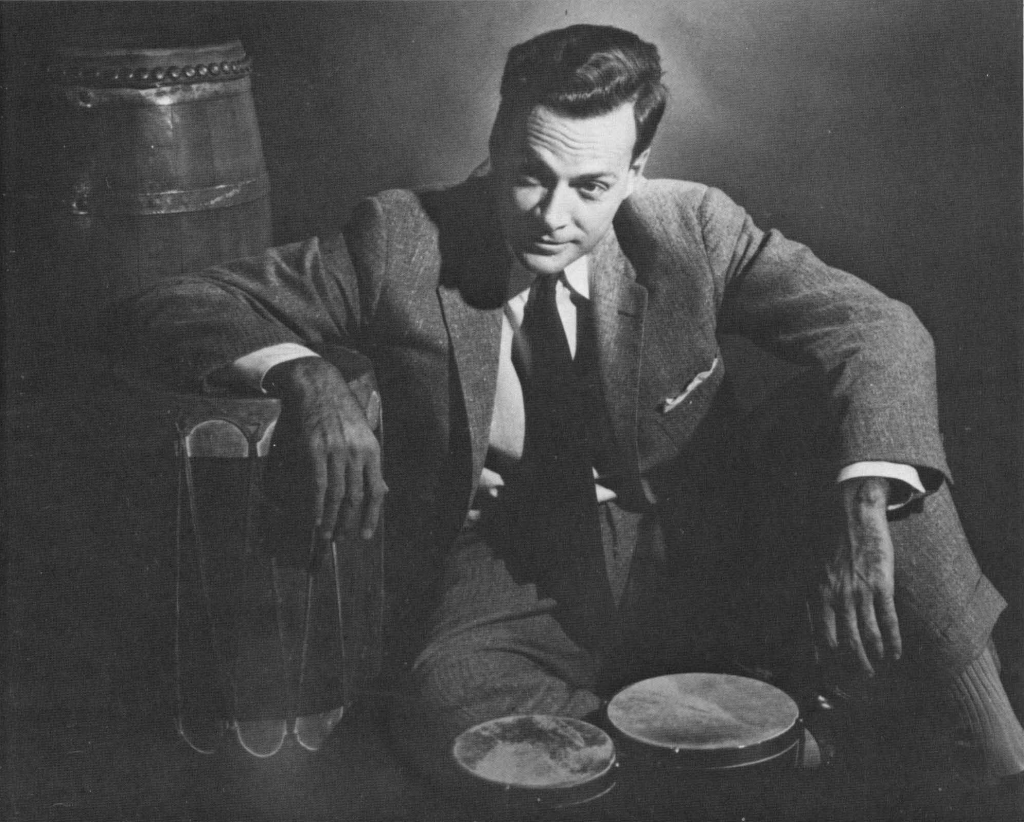
– Richard P. Feynman (11 May 1918 – 15 Feb 1988) What is there to say about Richard Feynman, American theoretical physicist who was probably the most brilliant, influential, and iconoclastic figure in his field. His lifelong interest was in subatomic physics. In 1965, he shared the Nobel Prize in Physics for his work in…
-
“When we look out into space, we are looking into our own origins, because we are truly children of the stars.”
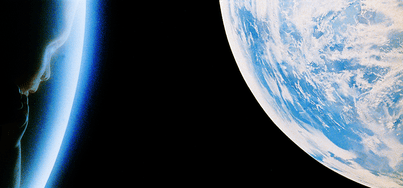
– Professor Brian Cox, Wonders of the Universe, BBC Why are we here? Where do we come from? These are the most enduring of questions. And it’s an essential part of human nature to want to find the answers. We can trace our ancestry back hundreds of thousands of years to the dawn of humankind.…
-
“Because they are so long-lived, atoms really get around. Every atom you possess has almost certainly passed through several stars and been part of millions of organisms on its way to becoming you.”
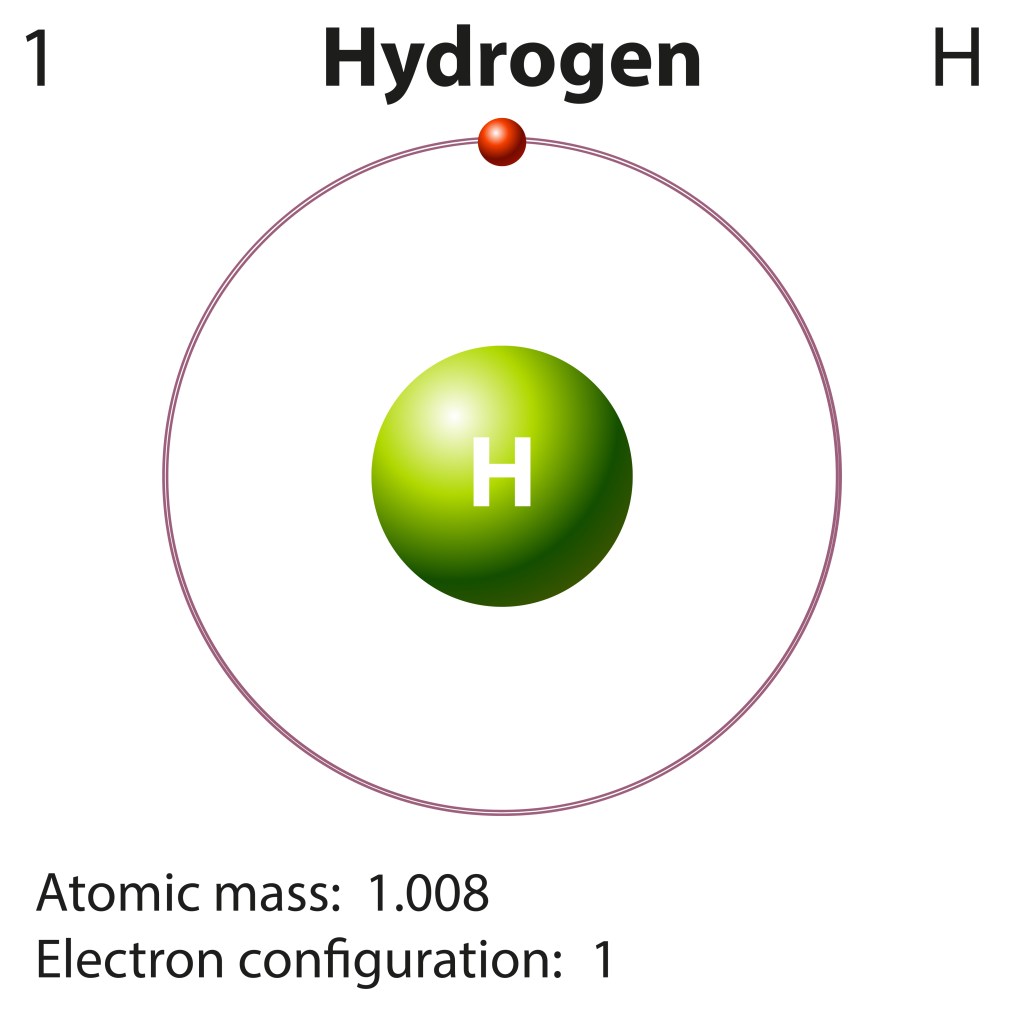
― Bill Bryson, A Really Short History of Nearly Everything The rest of the paragraph from his book is really awesome and inspiring, it goes: “We are each so atomically numerous and so vigorously recycled at death that a significant number of our atoms—up to a billion for each of us, it has been suggested—probably…
-
“Vita ex pulvis. We are made from the dust of dead stars.”
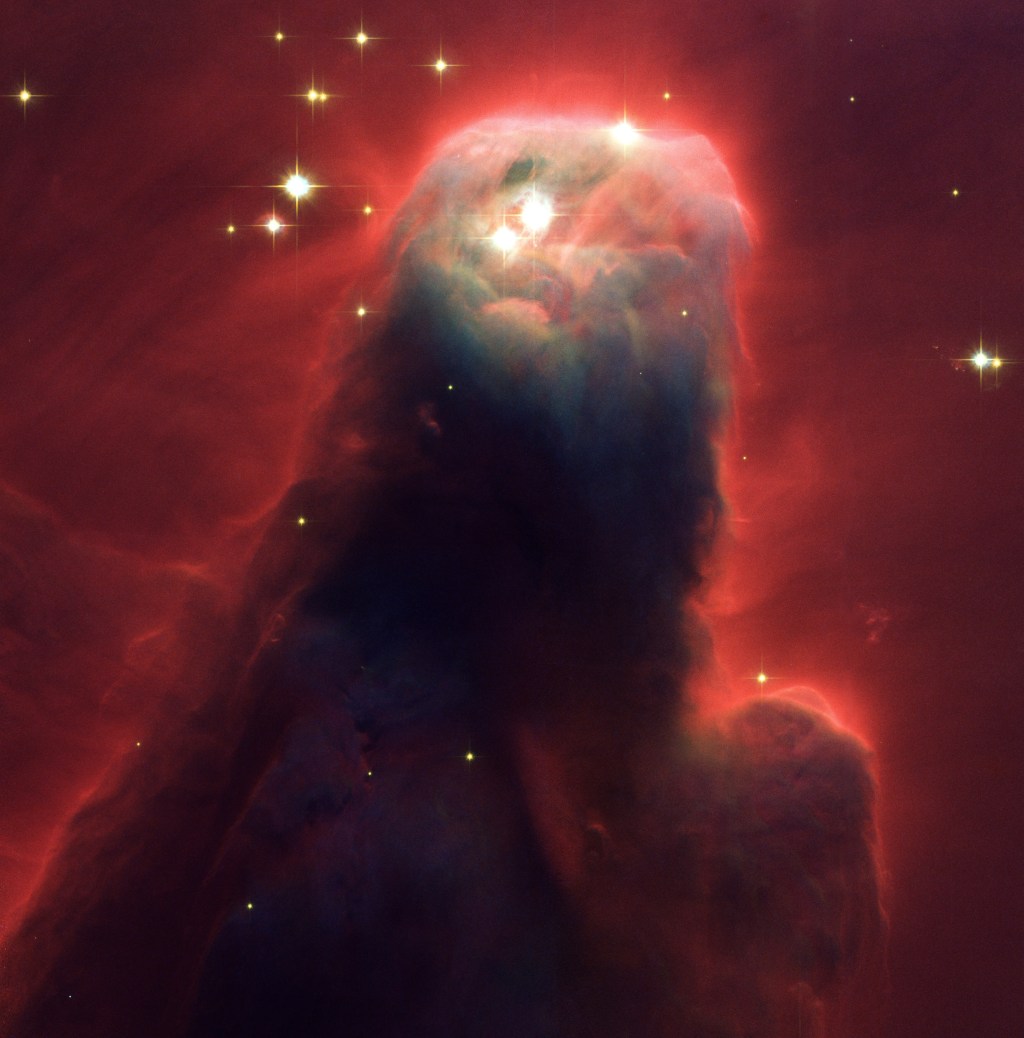
— Christopher Paolini, To Sleep in a Sea of Stars Go to the bottom of this post to read about this incredible image of the Cone Nebula Credit The full quote is: “Have you ever considered the fact that everything we are originates from the remnants of stars that once exploded?” Jorrus said, “Vita ex…
-
“Above me shone the stars, for the night was very clear.”

Wells, H.G.. The Time Machine: with Illustrations (Classic Collection Book 22) (p. 63). Kindle Edition. The great H.G. Wells, in The Time Machine, goes on to state: “I felt a certain sense of friendly comfort in their twinkling. All the old constellations had gone from the sky, however: that slow movement which is imperceptible in…

