
Category: Astronomy
-
“Glance at the night sky and what you see is history and lots of it – not the stars as they are now but as they were when their light left them.”
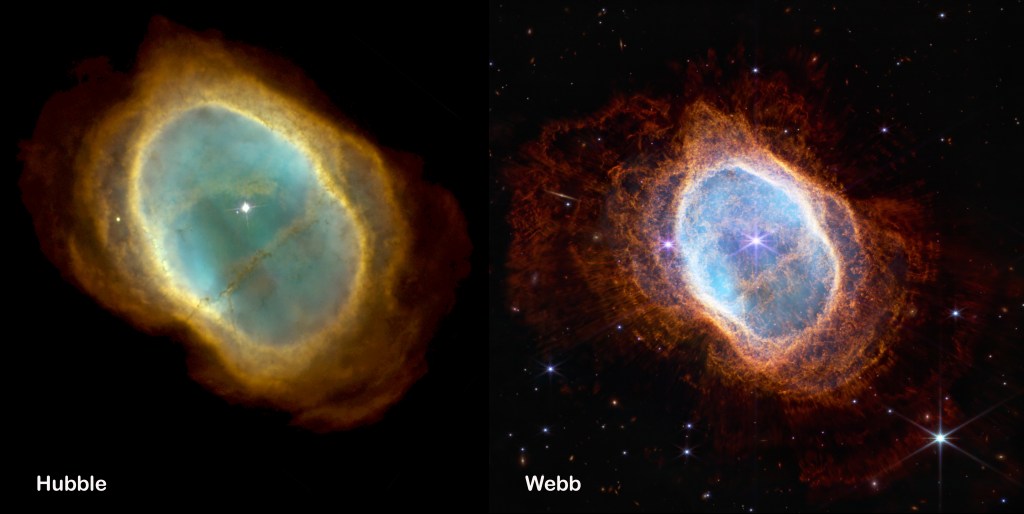
― Bill Bryson, A Really Short History of Nearly Everything This quote was taken from Chapter 3, of A Really Short History of Nearly Everything, The Reverend Evans’s Universe, which tells us, in Bryson’s usual chummy way about the unassuming Bob Evans, who he describes as a titan of the skies. For the Reverand Evans…
-
“Space, let me repeat, is enormous.”
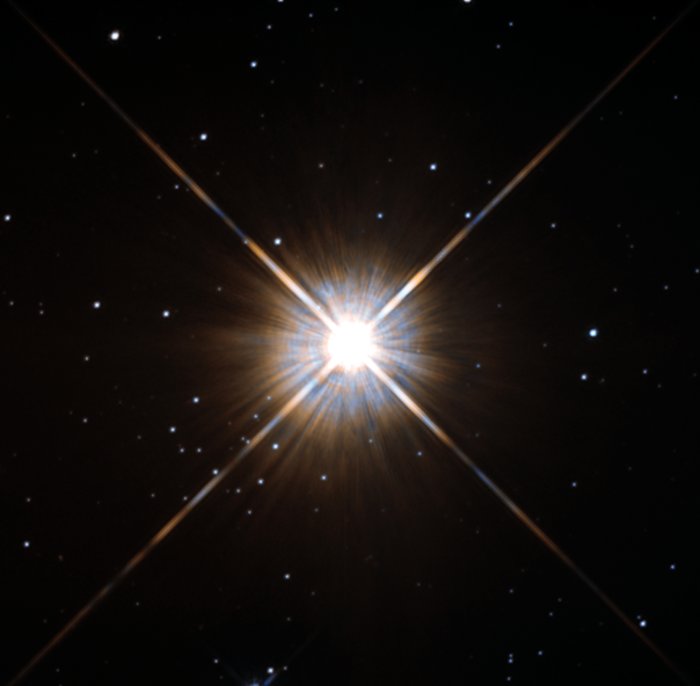
― Bill Bryson, A Really Short History of Nearly Everything The full quote is as follows: “Space, let me repeat, is enormous. The average distance between stars out there is 20 million million miles. Even at speeds approaching those of light, these are fantastically challenging distances for any traveling individual.” ____________________________________________________________________ PS: I love coffee. BuyMeACoffee,…
-
“And yet it moves.”

Attributed to Galileo Galilei (15 February 1564 – 8 January 1642) “And yet it moves.” (“Eppur si muove”) Even if Galileo never spoke those words, they have much relevance for us currently, when even provable facts are under attack by science deniers. Galileo’s legendary intellectual defiance — “in spite of what you believe, these are…
-
#The sun, the sky, the moon, the stars; Jupiter, Neptune and Mars; All these things I clearly see; It don’t take a telescope for you to love me#

– Dumb, Beautiful South Songwriters: Dave Rotheray / Paul Heaton Dumb lyrics © BMG Rights Management, Universal Music Publishing Group Full lyrics: #It doesn’t take a mathematician To add a simple sum Either you are simply beautiful Or I am simply dumb Dumb, dumb, dumb #It doesn’t take Robert The Bruce To see the web…
-
“Do not look at stars as bright spots only. Try to take in the vastness of the universe.”

– Maria Mitchell (1818-1889) – attributed 1 October 1847 is the day Maria Mitchell swept the sky with her telescope and discovered the comet of 1847 (comet Mitchell 1847VI). Honoured and recognized internationally for her discovery, Mitchell, who lived from 1818 to 1889, became one of the most famous American scientists of her day. Vassar…
-
“Space isn’t remote at all. It’s only an hour’s drive away, if your car could go straight upwards.”

– Sir Fred Hoyle FRS (24 June 1915 – 20 August 2001) Observer 9 September 1979 ‘Sayings of the Week’ Where does space start? It’s ‘up there’, but where? Most people would say it’s above the atmosphere, but where does the atmosphere stop? There is no sharp boundary line, like the equator, where you can…
-
“Equipped with his five senses, man explores the universe around him and calls the adventure Science.”
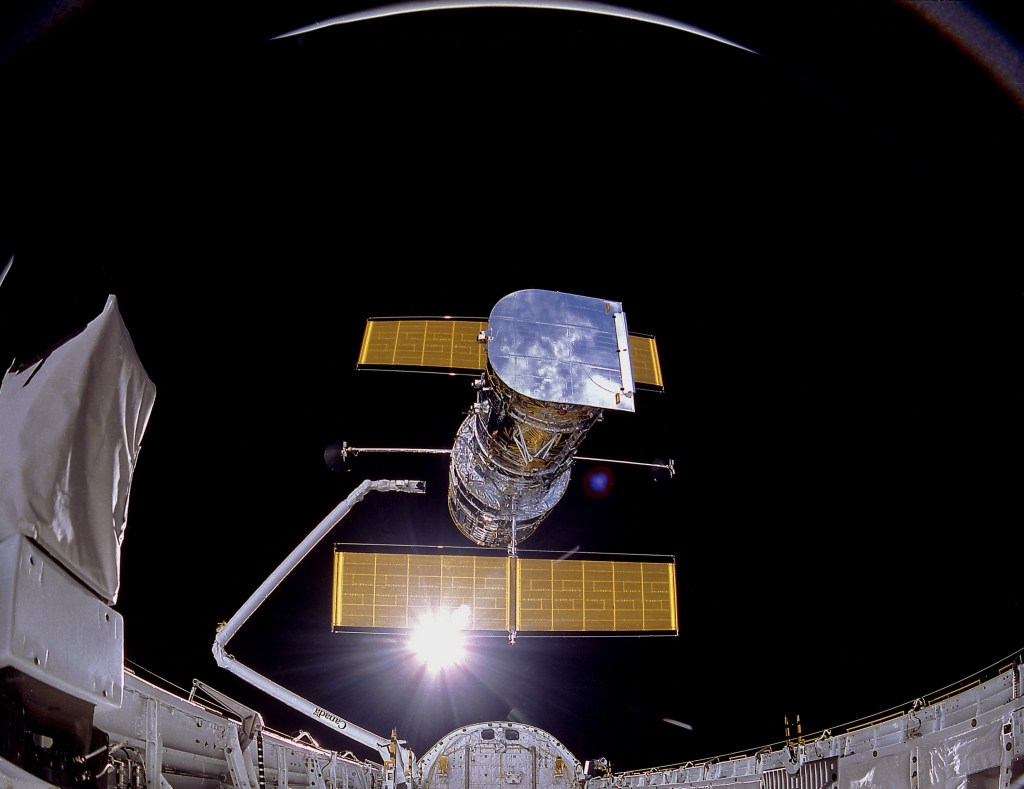
– Edwin Hubble (20 November 1889 – 28 September 1953), from “The Exploration of Space“. Harper’s Magazine 158: 732 (the May 1929 issue) An astrophysicist who was, amongst other things, able to determine that there were other galaxies and that they are all receding from us. He was famously named after the Hubble Space telescope,…
-
“If the earth were flat from east to west …”

Claudius Ptolemy, c. 100 – c. 170 AD The full quote is here: “If the earth were flat from east to west, the stars would rise as soon for westerners as for Orientals, which is false. Also, if the earth were flat from north to south and vice versa, the stars which were always visible to anyone would continue…
-
Summer evening talk – “The Stars and the Planets … Stargazing for All” – 16 August 2023 @ 7:30 pm
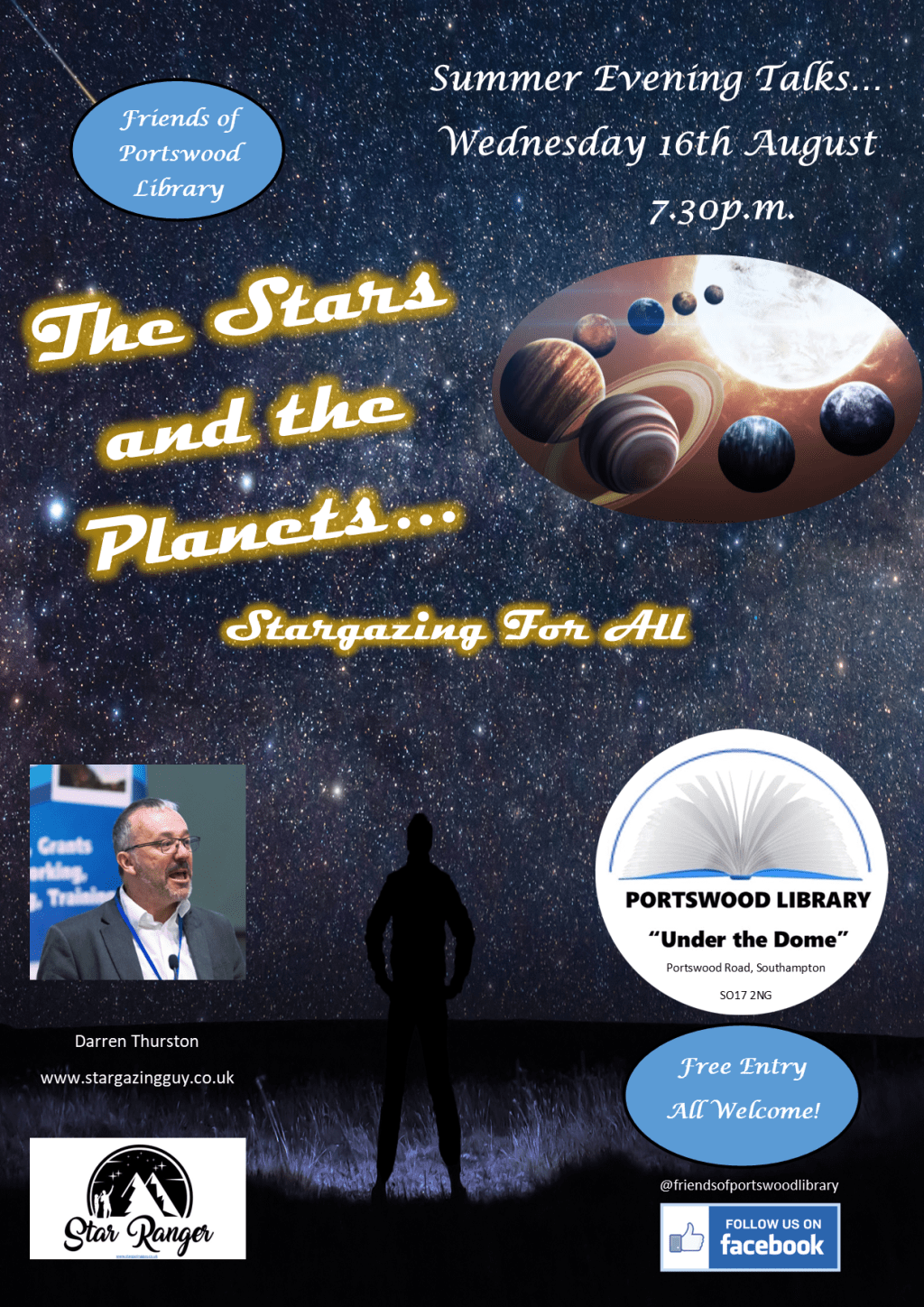
Portswood Library, ‘Under the Dome’, Portswood Road, Southampton, United Kingdom, SO17 2NG PS: I love coffee. BuyMeACoffee, leave a message with a date and time and we can share it, remotely, at the same time, and think about the Cosmos. In the meantime, take care of yourself and if you can, someone else, too, because as…
-
Happy International Asteroid Day – 30 June 2023

Today is the day where we highlight the risk to humanity of asteroids. This day was chosen to commemorate the “Tunguska Explosion”, which occurred this day in 1908 in Siberia. Asteroids are composed of rock and metal, and range in size from 1m to around 1,000km. Most are in the Asteroid Belt, which is about…

