
Category: Astronomy
-
“I learned very early the difference between knowing the name of something and knowing something.”
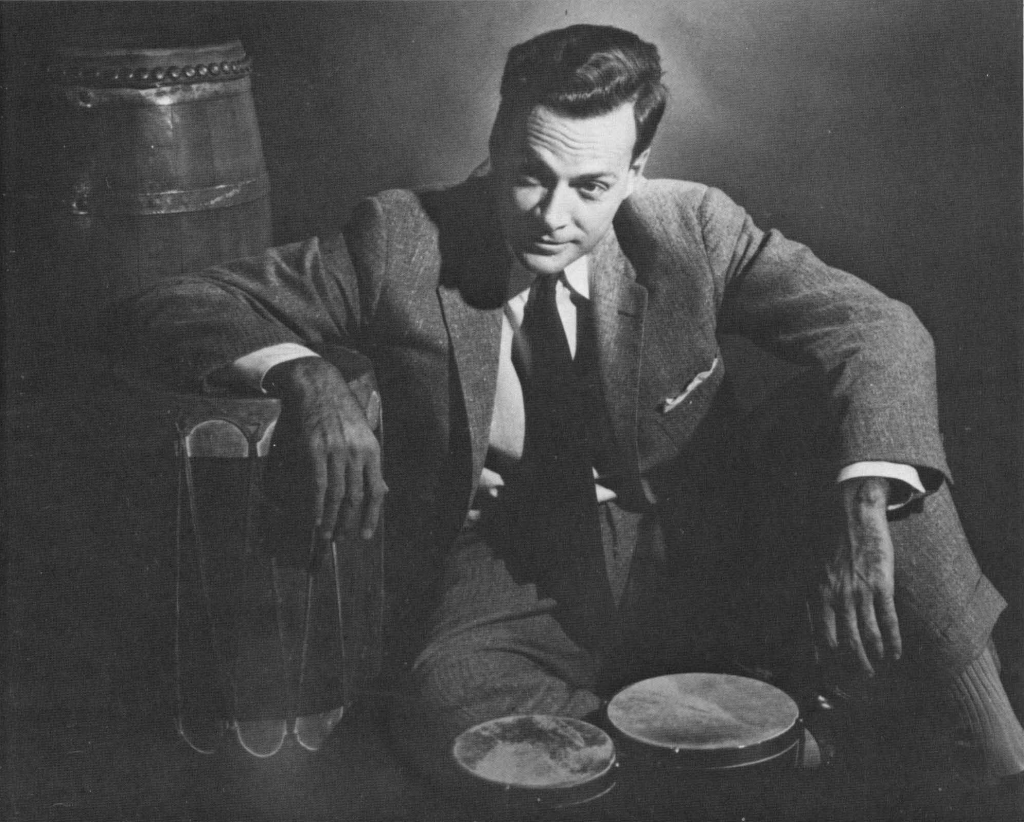
– Richard P. Feynman (11 May 1918 – 15 Feb 1988) From the Manhattan Project to the Challenger investigation, the physicist and Nobel Laureate Richard Feynman loved to shoot down what he called “lousy ideas.” Today, the world is awash in lousy ideas — so maybe it’s time to get some more Feynman in our…
-
“We absolutely must leave room for doubt or there is no progress and no learning.”
– Richard P. Feynman (11 May 1918 – 15 Feb 1988) From the Manhattan Project to the Challenger investigation, the physicist and Nobel Laureate Richard Feynman loved to shoot down what he called “lousy ideas.” Today, the world is awash in lousy ideas — so maybe it’s time to get some more Feynman in our…
-
“Some people say, ‘How can you live without knowing?’”
– Richard P. Feynman (11 May 1918 – 15 Feb 1988) From the Manhattan Project to the Challenger investigation, the physicist and Nobel Laureate Richard Feynman loved to shoot down what he called “lousy ideas.” Today, the world is awash in lousy ideas — so maybe it’s time to get some more Feynman in our…
-
“Scientific knowledge is a body of statements of varying degrees of certainty — some most unsure, some nearly sure, but none absolutely certain.”
– Richard P. Feynman (11 May 1918 – 15 Feb 1988) From the Manhattan Project to the Challenger investigation, the physicist and Nobel Laureate Richard Feynman loved to shoot down what he called “lousy ideas.” Today, the world is awash in lousy ideas — so maybe it’s time to get some more Feynman in our…
-
“I have approximate answers and possible beliefs in different degrees of certainty about different things, but I’m not absolutely sure of anything.”
– Richard P. Feynman (11 May 1918 – 15 Feb 1988) From the Manhattan Project to the Challenger investigation, the physicist and Nobel Laureate Richard Feynman loved to shoot down what he called “lousy ideas.” Today, the world is awash in lousy ideas — so maybe it’s time to get some more Feynman in our…
-
“The first principle is that you must not fool yourself – and you are the easiest person to fool.”
– Richard P. Feynman (11 May 1918 – 15 Feb 1988) “Cargo Cult Science“, adapted from a 1974 Caltech commencement address; also published in Surely You’re Joking, Mr. Feynman!, p. 343 From the Manhattan Project to the Challenger investigation, the physicist and Nobel Laureate Richard Feynman loved to shoot down what he called “lousy ideas.”…
-
“The most remarkable discovery in all of astronomy is that the stars are made of atoms of the same kind as those on the earth.”
– Richard P. Feynman (11 May 1918 – 15 Feb 1988) From the Manhattan Project to the Challenger investigation, the physicist and Nobel Laureate Richard Feynman loved to shoot down what he called “lousy ideas.” Today, the world is awash in lousy ideas — so maybe it’s time to get some more Feynman in our…
-
“Glance at the night sky and what you see is history and lots of it – not the stars as they are now but as they were when their light left them.”
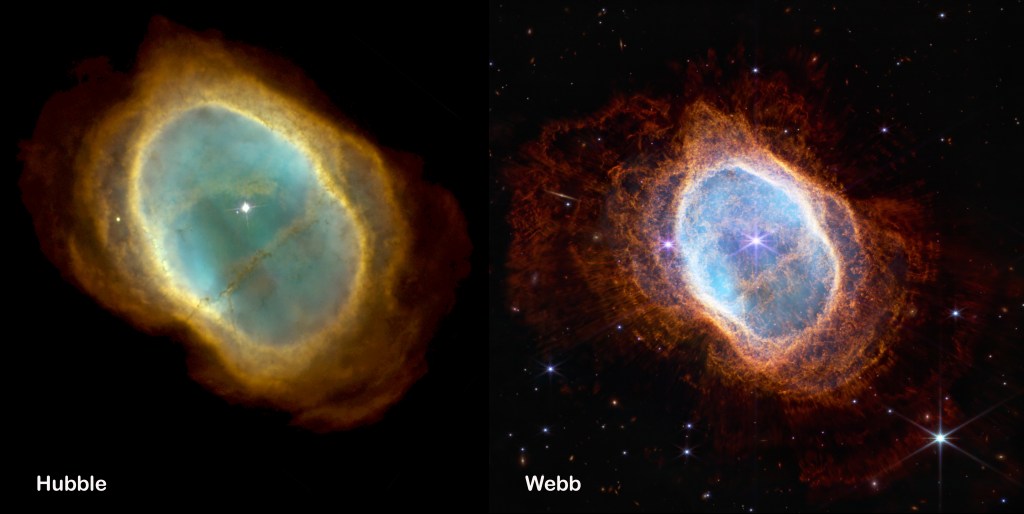
― Bill Bryson, A Really Short History of Nearly Everything This quote was taken from Chapter 3, of A Really Short History of Nearly Everything, The Reverend Evans’s Universe, which tells us, in Bryson’s usual chummy way about the unassuming Bob Evans, who he describes as a titan of the skies. For the Reverand Evans…
-
“Space, let me repeat, is enormous.”
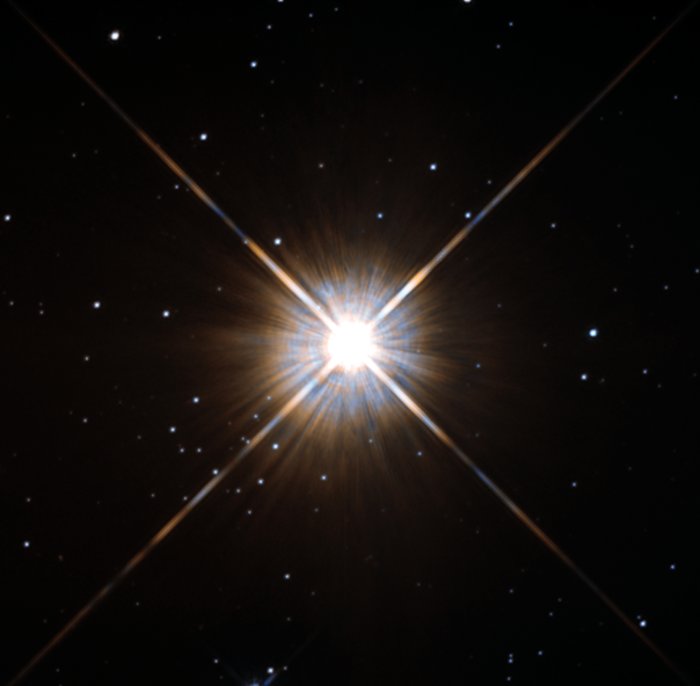
― Bill Bryson, A Really Short History of Nearly Everything The full quote is as follows: “Space, let me repeat, is enormous. The average distance between stars out there is 20 million million miles. Even at speeds approaching those of light, these are fantastically challenging distances for any traveling individual.” ____________________________________________________________________ PS: I love coffee. BuyMeACoffee,…
-
“And yet it moves.”

Attributed to Galileo Galilei (15 February 1564 – 8 January 1642) “And yet it moves.” (“Eppur si muove”) Even if Galileo never spoke those words, they have much relevance for us currently, when even provable facts are under attack by science deniers. Galileo’s legendary intellectual defiance — “in spite of what you believe, these are…
 Stargazing Guy