
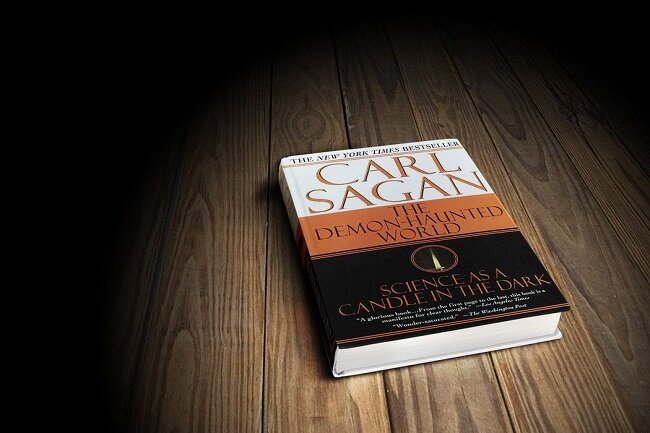
– Carl Sagan’s Fine Art of Baloney Detection, The Demon-Haunted World: Science as a Candle in the Dark
So, you’ve got the facts (1 of 10) and you’ve had a substantive debate (2 of 10), now you need to consider Sagan’s third tool for detecting baloney:
Arguments from authority carry little weight — “authorities” have made mistakes in the past. They will do so again in the future.
Perhaps a better way to say it is that in science there are no authorities; at most, there are experts.
It was Arthur C. Clarke’s first law (of three) which states:
When a distinguished but elderly scientist states that something is possible, he is almost certainly right. When he states that something is impossible, he is very probably wrong.
Arthur C. Clarke from a collection of essays, Profiles of the Future, which included an essay called “Hazards of Prophecy: The Failure of Imagination.” 1962
Essentially, Clarke is saying that experience, in science or in business, is excellent for telling us what is known. It’s not so good at telling us what might be possible.
Clarke’s definition of “elderly” was tongue-in-cheek: for those in physics, maths and astronautics, Clarke defined it as being over thirty. “As every researcher just out of college knows,” he wrote, “scientists over fifty are good for nothing but board meetings, and at all costs should be kept out of the laboratory!”
Sagan, on the other hand, is, I think, warning us to not conflate the debate of all points of view by knowledgeable proponents (who may well be “authorities”) with their views as authorities or experts (without evidence).
The views of authorities and experts are often promoted, either by themselves or by others (especially politicians), as the answer, and the only answer. A problematic position, to say the least.
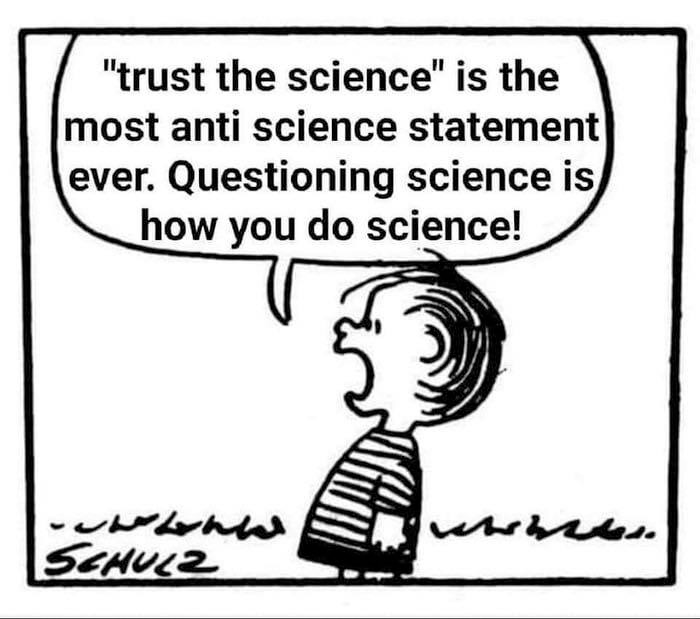
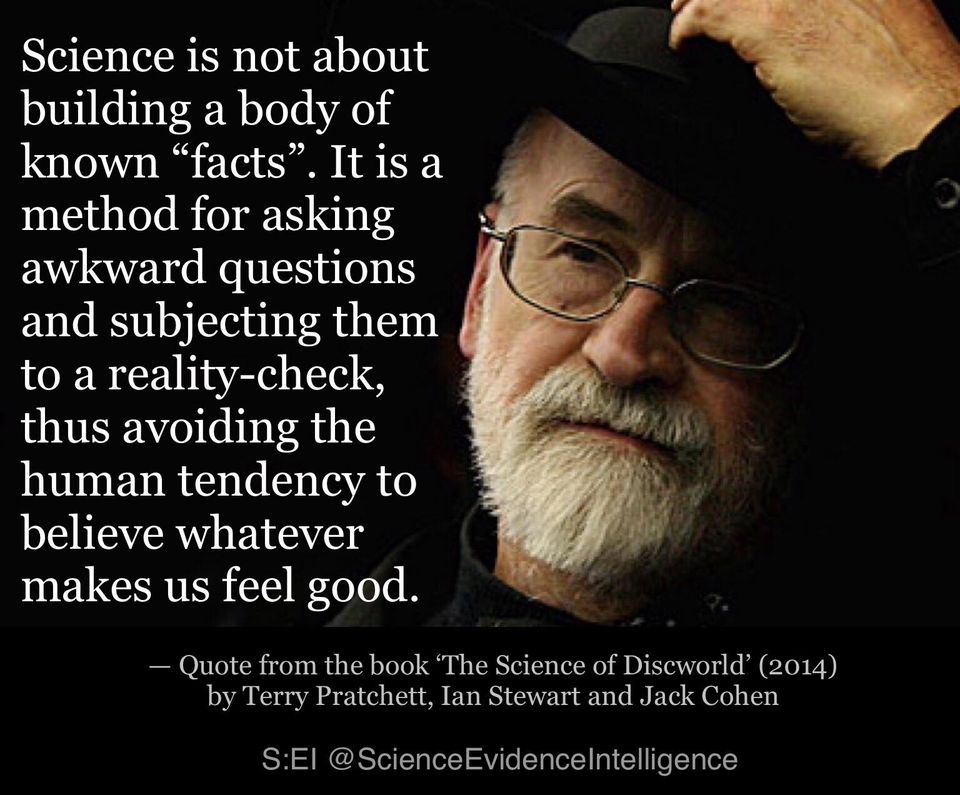
Its key to always remember that the personal views and opinions of anyone hold no more weight than the next person, no matter how erudite, educated, polished or intelligent they may be – unless they have facts and evidence.
PS: I love coffee. BuyMeACoffee, leave a message with a date and time and we can share it, remotely, at the same time, and think about the Cosmos.
In the meantime, take care of yourself and if you can, someone else, too, because as Adam Smith said, “we naturally desire not only to be loved but to be lovely”.
Contact Stargazing Guy for any copyright-related requests or queries @ stargazer1@stargazingguy.co.uk


Leave a Reply